Search Results
Search this site
Results found for empty search
- in-Conversation with Coco
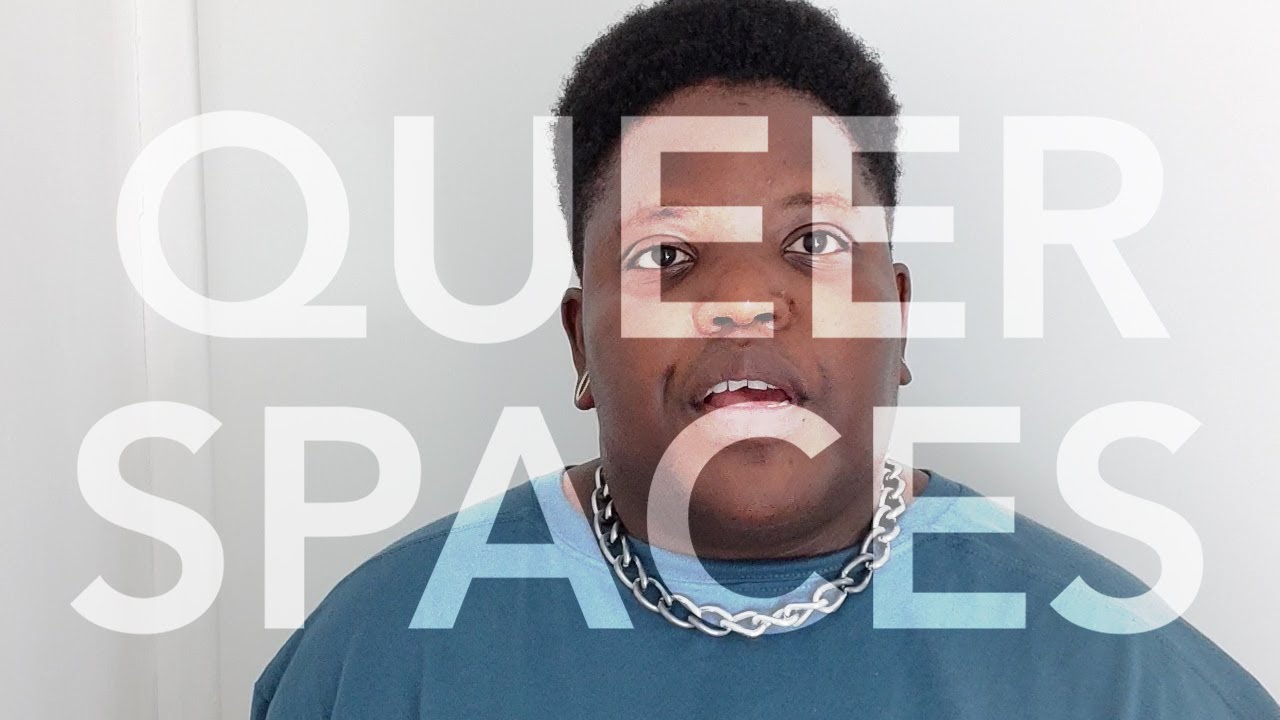
Coco (from Talk to Coco) and Michael Stephens discuss the intersection of sexuality and mental health as well as the delicate process of managing major change in life. About Coco: Coco, from Talk to Coco is a non-binary, mental health activist and writer, who has created a safe space for so many people all around the world, to have someone to talk to and share their experiences, feelings and thoughts with. To be a person people can relate with, who suffers from both mental and physical disabilities. Talk to Coco, have been published in books and also, writes articles on mental health and lgbtq topics for magazines, as well as visual contributions for the BBC. Mental health and lgbtq advocacy is the key root of all her work, working with universities, dance collectives and also one-to-one - giving support, advice and mentoring; on self-acceptance, self-love and breaking all stigmas attached to mental health and not feeling alone - for all people that need it so, that they feel they have someone who listens and understands them, with no judgment, just pure love and transparency. Talk To Coco's Linktree @talktococo About Michael: Michael is a mental health and LGBTQ+ advocate. He's also the founder of WE CREATE SPACE, promoting the importance and value of self-care, specifically within the creative and LGBTQ+ communities. michaelstephens.co @michaeledwardstephens Follow WE CREATE SPACE on social: @wecreatespace.co View upcoming workshops. Join our community for free to hear when we release new workshops.
- Queer Perspectives: Bodily Autonomy.
Our panellists discuss how they see bodily autonomy impacting the future of inclusion in the workplace. In this panel discussion, we explored what organisations can do to champion bodily autonomy and what support and resources are needed to meaningfully carry this out. Overview of Session: Bodily autonomy is an umbrella term which describes the freedoms and informed choices that each person has the right to make about and for their body at any time. For many LGBTQ+ people, currently, it not only speaks to the freedom to explore and express gender in a way that affirms who they are, or the freedom to choose how to form families, it also considers freedom from all forms of state repression, to move within and across borders, as well as the freedom to access necessary care and services to sustain their wellbeing. How these freedoms are perceived and understood today is critical in (re)defining inclusive behaviour and policies that make our workplaces safer, thriving spaces, for LGBTQ+ employees locally and globally. Watch this session to... - Understand bodily autonomy and how to support the freedoms of others - Contextualise global legal restrictions on gender identity and sexual orientation - Reflect on the impact of these issues on LGBTQ+ mental health - Apply an intersectional lens in building safer workplaces for LGBTQ+ employees - Learn to model inclusive behaviour and share tools for colleagues to do the same - Use the safe space to discuss, learn and get curious Learn more about Lisa Marie Hall's work. Learn more about Jude Guaitamacchi's work. Learn more about Doug Graffeo's work. Learn more about Jolinda Johnson's work. If you would like to discuss booking one of these speakers for your own session, please get in touch with us via email at hello@wecreatespace.co While you're here... Did you know we consult with 100+ Businesses, ERGs and Change-Leaders providing bespoke corporate solutions? Through consultancy we design shared learning experiences, produce DEI insights and craft bespoke content that support individuals with strengthening their roles as change-agents within their communities and organisations. Find out more here. We also organise FREE community events throughout the year! We offer a variety of ways to get involved - both online and in person. This is a great way to network and learn more about others' experiences, through in-depth discussion on an array of topics. You can find out what events we have coming up here. New ones are added all the time, so make sure you sign up to our newsletter so you can stay up to date!
- Through My Lens: Imagining the Future of Accessible Workplaces.
Polo Lonergan writes about the importance of accessibility being built-in from the ground up to improve the workplace experience and inclusion of all employees. by Polo Lonergan In my first two years of university, I survived. I partied, but nowhere near as much as my housemates as it took me many days to recover my energy each time. I routinely fell asleep mid-conversation, head on the table. My housemates were used to it and continued without lowering their volume, knowing it wouldn’t wake me. I was always, always in pain. At some point it became untenable and a doctor suggested that I should see about getting help as a disabled student. It had never occurred to me. Within a couple of weeks I received an extra monitor, a table to work on my laptop from bed, and free taxis to lectures. Life-changing: my grades shot up within a month. Before that, I hadn’t realised that I was navigating an environment not designed for me. As I continue through my career with fluctuating but ever-present chronic health problems, that feeling has never quite left me. Who are our offices designed for, and why do we shape our days in the way we do? Why do so many of us have the perception that being present in an office is the optimal choice for everyone’s careers? With the corporate world in flux, I’m convinced we can use this time to change the way we create and adapt our working culture so that no one has to feel out of place, no matter how their bodies and minds function. My body has been through a lot. As a child, I had malfunctioning kidneys, mild incontinence, and epilepsy, so I was already familiar with crusty hospital food. At the age of eleven, I broke my leg femur twice in four months - once in a road traffic accident, and then again when the leg refused to heal properly. Then in 2011 I spent a week bedbound with the worst headache I could ever have imagined: the urgent care doctor told me it was sinusitis, then my GP told me it was stress. Thankfully, I asked an optician to check why I couldn’t see properly, and he sent me to the hospital immediately. Turns out I had an uncommon, incurable disease which accounted for many of the issues I had faced before. Idiopathic Intracranial Hypertension (IIH) is an excess of cerebro-spinal fluid in the head/spine that results in headaches and other pain, difficulties with vision (and vision loss for some), pulsatile tinnitus, and intense fatigue. Though weight loss helped me manage some symptoms, I still have numerous difficulties with my eyes and deal with pain and fatigue to varying levels every single day. All this makes my experience in the office space much harder than it needs to be, and easier than it once was; having spent ten years in retail and call-centre environments, I want to stress that I know office workers are already fortunate compared to some environments. Last year I had surgery to give me a better chance at getting chronic severe anaemia under control. Six weeks off work felt terrifying; I would return to find my role unnecessary, I thought, or people would judge me for needing it at all. I realised I was afraid because I had done such a good job at hiding how chronically unwell I was that this was a form of ‘coming out’ as disabled. My own internalised ableism was harming me: it was easier being out as non-binary and queer as at least then I didn’t have to worry about (most) people assuming I couldn’t do my job. Disabled people navigate a world not designed for us, and while no one is designing our work spaces with the intention of limiting access, that’s still the end result. It’s time to open up our idea of work beyond presenteeism to give more people the space to thrive. There is no one right answer. Sharing space with others while working has its clear advantages: our quick chats can put energy and connection into your day. That connection can often facilitate collaborative work more efficiently than online professional communication. For some, working in an office provides a social outlet and a way to build morale to get through the more difficult or mundane daily tasks. I enjoy larger events where I can connect with my colleagues face-to-face, and it has made important relationships much smoother. However, did we learn enough from three years of many corporate spaces moving to a work-from-home model? When we saw our workplaces adjust immediately to a virtual environment, many disabled people realised that those accommodations were already possible in practice, and only impossible through culture. To return to the previous style of work without these discussions can feel discouraging and ultimately alienating. We have designed our office spaces and working arrangements with only abled people in mind. This is not good enough. In the last few years, we have had the opportunity to expose opportunities to change the way we work. Many of those adjustments would make it much easier for some people to thrive. Imagine a workplace where each person can be trusted to uncover the best option for themselves. Instead of being required to be present in the office a certain amount of days per month, we could assess our own health and abilities day by day without the assumption of laziness or “quiet quitting”. I have consistently worked hard through these strange years; arguably I have been more productive as I can reduce the effect of pain and fatigue on my work. I can sit in the dark when I’m having difficulties with my vision. I can wear earplugs or turn down the headset volume when I can’t handle noise. I know I’m not the only one, and none of this means I’m less invested in doing well in my role. In fact, all of this makes me much, much better at my job than when I dragged my painful, overstimulated body into the office five days a week. While we’re at it, what other futures can we imagine? What if accessibility became a moot point? We could build offices with it as standard, so that few accommodations are needed for people with various needs. We could bring disability activists into the planning of these spaces and look for opportunities to create a new standard. We could provide screen readers, braille signage, and low-light spaces. We could uncover new models of workdays, bending the hours around our needs as well as the needs of the company. We could encourage remote work when it’s the best fit for an individual, no matter the reason. We could normalise and encourage virtual connection between colleagues and provide mentoring opportunities to avoid any stagnation of career due to less physical presence in the office. This conversation is an important first step, and what matters now is using this unique opportunity to change the shape of our office culture before it becomes solid and unchangeable once again. Together, we can shape a future where no one feels out of place, and where the true measure of success lies in the fulfilment and well-being of each person, rather than conforming to outdated norms. Polo Lonergan (they/them) Polo is a queer, non-binary person navigating the intersection of activism and corporate culture. With years of experience as a queer community builder in their area of Canada, Polo is focused on bringing the same enthusiasm and support to the workplace as an out(-spoken) agender/non-binary person. You can find more information about Polo's work here. If you would like to book Polo as a speaker for a workshop or panel event, please get in touch with us via email at hello@wecreatespace.co While you're here... Did you know we consult with Businesses, ERGs and Change-Leaders providing bespoke corporate solutions? Through consultancy we design shared learning experiences, produce DEI insights and craft bespoke content that support individuals with strengthening their roles as change-agents within their communities and organisations. Find out more here. We also organise FREE community events throughout the year! We offer a variety of ways to get involved - both online and in person. This is a great way to network and learn more about others' experiences, through in-depth discussion on an array of topics. You can find out what events we have coming up here. New ones are added all the time, so make sure you sign up to our newsletter so you can stay up to date!
- Through My Lens: MS, Fashion, Style and Me.
Roxy Murray shows us how fashion continues to be a valuable form of self-expression in light of their experience living with Multiple Sclerosis. By Roxy Murray In a world that often and prioritises certain standards of beauty and normative identities. It can be challenging to identify as both queer and disabled and to express one’s true identity. My name is Roxy Murray, and I always knew I was queer from an early age but I never knew I was going to add disabled to the list of my identities. I was diagnosed with Multiple Sclerosis in 2014. Multiple Sclerosis is a disease that affects your nervous system and brain. Living with MS can bring unique challenges to one’s life including symptoms such as fatigue, difficulty walking, vision problems, mental health struggles with self perception and bladder issues to name a few. It’s known as a snowflake disease as no two individuals deal with the same effects. As someone who is living at the intersection of multiple marginalised identities it has brought a list of unique experiences into my life and many obstacles that I've had to learn to navigate. Through my personal journey, I have discovered style can be a powerful tool in embracing my identity and reclaiming my sense of power through my style choices and how I choose to adorn my body. I studied fashion styling at university, but after I became disabled I had to stop working within an industry that wasn’t accessible and although they did embrace queer individuals to a certain extent I had not seen many queer disabled individuals gracing a catwalk or the pages of my fashion magazines. Let alone working within the wider industry itself . However I could not predict how at least learning the skill of styling was going to play such a transformative role in my life, allowing me to empower my queer, disabled identity and navigate the world with confidence. Ultimately, defying the obstacles posed by my MS and celebrating my true self. Through my exploration of my own style I’ve learned that we can showcase our queer disabled identities with pride, challenge societal norms and create space for representing ourselves authentically. The act of intentionally curating our appearance allows us to defy societal expectations and demonstrate that queer disabled individuals are not defined solely by our disabilities or limited by certain fashion choices. We can assert our unique, personal style that transcends conventional boundaries and breaks the barriers of societal deems normal. By being visible, we contribute to a greater sense of community and provide role models for others who may be searching for their own identities. Choosing clothing that reflects our authentic selves allows us to feel more comfortable in our own skin and it becomes this statement of self love, reminding us that our bodies and identities are worthy of celebration. As a disabled individual, this is so important to me. Every morning, I would wake up feeling disconnected from myself, unable to dress in the way that truly expressed my identity and brought me joy. Numbness and tingling would course through my left side, while my leg began dragging behind me, a stark reminder that my body was changing and limiting my mobility. Accepting these changes and the loss of my previous range of motion was an incredibly difficult process. I was entering a new stage in my journey, so I needed to embrace my new normal. I started to find myself in bland lounge clothing that didn’t speak to my queer identity or my personal style. And when I needed to move around I had to use grey NHS style crutches. This wasn’t filling me with joy, and as an individual who feels so much empowerment through my style choices. I honestly believe it wasn’t helping my healing or mental health either. Living with MS has necessitated constant adaptation to accommodate my changing abilities, and style has played a crucial role in this process by allowing me to choose fashion to meet my specific needs. I took to the internet to look for clothes that would better suit my identity. I needed fashion that brought me joy but that I could afford to buy especially living in the UK. This is where I first came across adaptive fashion and mobility aids. My journey started online, where I came across a Canadian invention, a really cool bright yellow mobility aid that looked like a bike. It helped to ease my pain and filled my Pansexual body with joy–yellow being one of my happy colours. From there, I began to explore other mobility aid brands, and one of my favorites is Neo Walks—a small company that creates mobility canes designed to infuse disabled individuals' lives with a delightful blend of disability pride, fashion, and queer joy.They have recently appeared in Vogue UK and on the Hollywood red carpet with celebrities such as Selmar Blair and Christina Applegate championing the brand. With the rise of adaptable clothing, lines and inclusive design, we’re finally starting to find stylish options that prioritise comfort, accessibility and functionality for everyone but especially queer disabled individuals. From easy to wear fabrics to adapted closures and adjustable fits, these clothing options allow us to dress with confidence, accommodating specific needs that we have without compromising our style. This is both refreshing and acknowledges disability, but also embraces the intersectionality of our queer identities. It recognises that queer disabled individuals exist within a complex web of identities and fashion, becoming a means of expressing the multifaceted nature of who we are. Through adaptive clothing lines that cater to different body types, gender expressions and styles, we can celebrate our intersexuality in showcasing the beauty and diversity within the disabled queer community. My journey didn't stop there, though. When I delved further into adaptive fashion, I discovered that there were only a handful of brands owned by disabled individuals. Most of them focused on selling essential items like underwear and workwear, which, while beautiful and necessary, highlighted the urgent need for increased funding and support to push the boundaries of stylish, adaptive design. I believe that style and a focus on being stylish will play a crucial role in navigating this transformative change and ushering in a new era of fashionable adaptability for the next generation. So I started to use my voice as a trained stylist to talk about what needs to change and how including queer and disabled voices in the creation of this would mean better branding and clothing options that connected with us as consumers especially when statistics predict more than a third of the disability community also identifies as LGBT+. I do feel designers and the industry professionals in the space are listening and trying to shape the adaptive revolution to be more of an empowering disabled-led community. Designers like Victoria Jenkins from Unhidden clothing put on an amazing show at London Fashion Week this year. They had individuals with a range of disabilities and sexual identities grace the runway to showcase their designs which were both functional, colourful and fashionable. I was lucky enough to be one of the chosen few to have this honour to represent our community. As well as British Vogue's May cover special series and article which featured an array of disabled icons, such as Aaron Phillip Rose, Selma Blair, Fats Timbo, Sinead Burke and many more. This powerful feature aimed to redefine the limits of fashion, demonstrating that one can be disabled, fashionable, and queer. When I embarked on my journey with MS and sought to redefine my personal style, I could never have imagined the remarkable transformation that would unfold within the fashion industry itself in just a few short years. It is truly awe-inspiring to witness the evolution of an industry I believed was forever out of my reach, now actively carving out spaces that not only embrace my queer identity but also honor and accommodate my disabled identity. This profound shift not only validates my own experiences but also paves the way for a more inclusive and diverse fashion landscape. Roxy Murray (she/they) Roxy is a fierce advocate for disability rights and sex positivity as a pansexual person living with Multiple Sclerosis. She's the founder of The Sick and Sickening Podcast, sharing unfiltered stories about living with disability and illness. Roxy's mission is to empower disabled and chronically ill individuals using fashion as a tool of activism - creating space and pushing for visibility for people from ethnically diverse backgrounds and the LGBTQIA+ community. You can find more information about Roxy's work here. If you would like to book Roxy as a speaker for a workshop or panel event, please get in touch with us via email at hello@wecreatespace.co While you're here... Did you know we consult with Businesses, ERGs and Change-Leaders providing bespoke corporate solutions? Through consultancy we design shared learning experiences, produce DEI insights and craft bespoke content that support individuals with strengthening their roles as change-agents within their communities and organisations. Find out more here. We also organise FREE community events throughout the year! We offer a variety of ways to get involved - both online and in person. This is a great way to network and learn more about others' experiences, through in-depth discussion on an array of topics. You can find out what events we have coming up here. New ones are added all the time, so make sure you sign up to our newsletter so you can stay up to date!
- Through My Lens: Crippled, Queer, and Femme at Work.
Mark Travis Rivera writes about his experience with Cerebral Palsy, and how it intersects with his Queerness in all parts of his life. by Mark Travis Rivera Crippled at Birth. While some people become disabled, others, like myself, are born disabled. My mother gave birth to me at five and a half months, extremely premature and weighing in at one pound, my mere survival was a miracle, and I would grow up as a child with cerebral palsy. While my physical disability has become less apparent, partly because of surgery, over 15 years of physical therapy, and my dance career, my cerebral palsy will not stop being a part of who I am and how I navigate life. Long before I discovered my queerness or understood the concept of race, ethnicity, or socio-economic class, being born premature and living as a disabled child taught me what it meant to be “othered.” Being othered at such a young age taught me how to develop tough skin and gave me the audacity to be seen and heard for exactly who I am in all areas of my life, including how I show up professionally. Crippled at Work. As a full-time creative entrepreneur, I’m proud to exist at multiple intersections as a queer, disabled, Latinx femme man. While I have had many successes in my career, I can’t help but think of how my intersectional identities and outward expression of my authentic self have prevented me from entering certain rooms. Due to anti-discrimination laws, companies didn’t tell me this was why I was passed over for a job or didn’t get a promotion. Still, it was the microaggressions and sometimes overt aggressions that I experienced that reminded me that who I was and how I showed up was an issue for some people. During the interview process for my first role after graduating from university, I had to make many decisions to ensure how I showed up didn’t negatively impact the prospect of getting the job. At the time, I opted to wear a suit and tie, which is the norm, though the societal stance on professional attire is evolving. I kept my nails on but painted them nude to prevent them from being too distracting, and I chose not to wear makeup. While transgender, gender nonconforming, and non-binary identities were just beginning to emerge in the lexicon of conversations in everyday life during the time of my interview at John Jay College of Criminal Justice, many people were and continue to be uninformed, misinformed, or confused about what those identities mean. The woman responsible for hiring me, Rosann Santos, an Afro-Latina from the Bronx, admitted that she didn’t know what gender nonconforming meant as it related to my attire and that she hired me because of my professional experience and skills. After explaining that I wore dresses, heels, and makeup, she responded, “You can wear whatever you like. There is no official dress code policy, as long as your body parts aren’t showing…wear what you want.” On my first day on the job, I wore makeup but dressed more conservatively because I was not convinced she or the school was genuinely ready for a person like me working at the college. Later that day, I told her about my identity and how I express myself through clothes. She assured me that I was supported because she doesn’t believe people can do their best work if they can’t be their authentic selves in the workplace. The next day, I showed up in a dress and heels. When I had to use the bathroom, I expressed my anxiety about using the men’s room when I was wearing dresses because of the anticipated stares and remarks that guys may say as they saw me entering the men’s restroom. Upon expressing my concerns, she gave me access to the all-gender, single-use bathroom in the wellness center. I would spend the next three and half years working at John Jay because I was supported and encouraged to be my whole self. I didn’t have to suppress, alter, or deny who I was. I just had to be true to who I was so I could do good work. Crippled and Proud. We live in an unprecedented time–for marginalized people worldwide. We aren’t simply fighting for equality or a more equitable society where we all have the same fundamental human rights and liberties; in some countries, we’re fighting to maintain the freedoms we were guaranteed. For instance, when the Supreme Court decided to go against precedent and overturned the Roe V. Wade decision in the United States, we started to see the rolling back of reproductive rights. Returning the reproductive right to abortion to the states to decide has led to a handful of states passing some of the most extreme abortion bans. This ruling also made other marginalized people worry about their human rights, leading to the US government codifying marriage equality. President Biden signed the bill to ensure LGBTQ+ Americans don’t lose the right to marry who they love. While I have had many successes in my career, I can’t help but think of how my intersectional identities and outward expression of my authentic self have prevented me from entering certain rooms. As an openly disabled, queer, femme Latinx man, none of this surprises me. In the US and around the globe, there has been a dramatic increase in anti-LGBTQ+ laws that aim to dehumanize, restrict fundamental rights, and in the most extreme cases, kill people who are LGBTQ+. It is no wonder that these attempts to roll back civil liberties and human rights have led to increased suicide attempts and mental health challenges for LGBTQ+ youth. For many trans people in the US, unemployment rates are higher, and studies indicate that many trans people are underemployed and more likely to experience workplace discrimination. Through My Lens. If workplaces want to be equitable, they must examine how their culture fosters discrimination against marginalized people. Despite disabled LGBTQ+ people existing, more often than not, disabled people are dehumanized and desexualized. The work ahead is plenty, and while it can be frustrating at times, I am hopeful that a more inclusive and equitable workplace is possible if we all commit to doing our part to dismantle systems that aim to keep us oppressed. I am a proud Latinx man. I am a proud queer man. I am a proud disabled man. I am a proud femme man. I am all of who I am, and I don’t plan on altering my authenticity to “fit in and belong.” To quote researcher-storyteller Dr. Brené Brown, “True belonging doesn’t require you to change who you are; it requires you to be who you are.” Mark Travis Rivera (he/him) As a professional storyteller and consultant, Mark Travis Rivera focuses on intersectionality through the lens of a person who is a Latinx, queer, gender non-conforming, disabled man. He has addressed audiences at various institutions of higher learning, including Harvard, MIT, Rutgers, and NYU. As a diversity, equity, and inclusion professional and facilitator, he has spoken to corporate audiences virtually in the UK, Canada, Mexico, Latin America, Israel, China, and India, just to name a few. You can find more information about Mark's work here. If you would like to book Mark as a speaker for a workshop or panel event, please get in touch with us via email at hello@wecreatespace.co While you're here... Did you know we consult with Businesses, ERGs and Change-Leaders providing bespoke corporate solutions? Through consultancy we design shared learning experiences, produce DEI insights and craft bespoke content that support individuals with strengthening their roles as change-agents within their communities and organisations. Find out more here. We also organise FREE community events throughout the year! We offer a variety of ways to get involved - both online and in person. This is a great way to network and learn more about others' experiences, through in-depth discussion on an array of topics. You can find out what events we have coming up here. New ones are added all the time, so make sure you sign up to our newsletter so you can stay up to date!
- Taking Up Space: Queer 365.
Voices from our global leadership speaker collective share the We Create Space queer manifesto. WE CREATE SPACE is committed to championing the importance of queer spaces and queer voices 365 days a year - it’s the essence of who we are. We've created this video manifesto with the help of our global speaker collective as a reminder that Pride is not just for the month of June, but is a year-long commitment and endeavour. Will you commit to taking up space with us? The We Create Space Manifesto. Taking Up Space: Queer 365. Queer spaces have always dared to creatively challenge ‘what’s possible’ - places where we are able to express ourselves freely, learn and grow as a community, and as individuals. They are essential for us to thrive personally, professionally, and fundamentally help pave the way for a more sustainable queer-inclusive future. Pride must signify Progress. And, in order to evolve the movement’s legacy, we too, today, must continue to fight emphatically. We must cause cultural commotion, be engaged, be visible and vocal. When we take up space, we empower ourselves and model a way forward for other Queer people who haven't seen themselves reflected in media or society. In doing so, we honour our queer ancestors and carry the torch of progress forward. We know that our Queerness doesn’t disappear when Pride season ends, or when the rainbow flag comes down. We deserve the space to be ourselves 365 days a year, not just for the days that society publicly celebrates our identities. Now more than ever we need queer spaces - ones that allow us to rest and recharge, to self-reflect and centre ourselves, to propagate community and solidarity. As part of the We Create Space Queer Leadership Collective, we’re committed to taking up space, this month and every month - to create a world that is just and equitable for all LGBTQ+ people. A world where individuals lead with love and influence positive social change. And a world where we can shine as individuals, celebrating and embracing our unique gifts and perspectives. Will you join us? A special thanks to Yassine Senghor, Erica Rose, Michael Edward Stephens, Taofique Folarin, Shawn Aaron, Jennifer Polzin, Ahmed Shihab-Eldin, Andre Johnsen, Marley Conte, Ale Rebon, David Kam, Andrew Seedall, Calvin Stovell, Christopher McDonnell, Sophia Emmerich, Dr. Christopher Owen, CK and Bekky Harrison for contributing to this video. While you're here... Did you know we consult with Businesses, ERGs and Change-Leaders providing bespoke corporate solutions? Through consultancy we design shared learning experiences, produce DEI insights and craft bespoke content that support individuals with strengthening their roles as change-agents within their communities and organisations. Find out more here. We also organise FREE community events throughout the year! We offer a variety of ways to get involved - both online and in person. This is a great way to network and learn more about others' experiences, through in-depth discussion on an array of topics. You can find out what events we have coming up here. New ones are added all the time, so make sure you sign up to our newsletter so you can stay up to date!
- Mindful Romantics: Lessons Learned in Polyamory.
Jua O'Kane shares with us their experience of polyamory and how it has helped them develop as a more self-aware, independent individual. by Jua O'Kane I felt my first inclinations towards polyamory when I was a teenager and struggling to commit to a closed relationship with my then potential boyfriend. I’d only been with men up to that point and I wanted the freedom to explore my sexuality if the opportunity arose. Caught between my affection for him and my desperation to explore my queerness, I wondered why it had to be either or. It’s been almost eight years since then and I’ve spent the majority of that time in a mix of open relationships, having multiple committed partners and solo poly dating. The optics of talking about polyamory as someone who is bisexual or attracted to more than one gender can be complicated. I’m wary of feeding stereotypes of the greedy, unfaithful bisexual, unable to satisfy their sexuality while in a monogamous relationship. I’ve been monogamous in the past and I probably could be again in the future - my choice to practise polyamory has infinitely more to do with embracing the joy of human connection than it does “satiating” my attraction to multiple genders. Polyamory has also been a vital tool for my own personal growth. I’ve struggled with codependency throughout my life - I’d fall into a relationship, get deeply attached and then forget how to take care of myself or be my own person. Getting intentional with how I practise non-monogamy and navigate romantic relationships in general is what broke the cycle for me. It started with my long-term girlfriend breaking up with me a month before Christmas in 2021. We were long distance and I wasn’t seeing anyone else at the time, which manifested as intense codependent behaviours on my side that were tearing us apart, as much as we loved each other. She told me, in a metaphor I’ve repeated countless times to other people in similar situations: “You’ve been drowning for a while now, and I keep trying to hold you up but now I’m starting to drown too. It’s time to stop treading water and focus on getting to shore.” I travelled home for Christmas, cried countless tears and tried to explain to my mum that no, this wasn’t like my last break up, this was different. By January I had channelled my sadness into determination, resolving to build a better life for myself, find independence and end this cycle of blowing up relationships with my mental health. I returned to Plymouth and kept myself busy, forcing myself to spend time with friends, practise DBT skills, go on dates and attend local queer events even when I didn’t feel like it. I realised I had a rich network of people around me and that codependent urge to dump all my woes on a single partner gradually diminished. ‘Taking care of yourself does not mean “doing it all alone”. Creating a good relationship with yourself is not done in a vacuum, without a relationship to other people… It is important that we are able to be alone, of course, and some people do need to withdraw from outside relationships to a certain degree, until they feel really comfortable with themselves. Sooner or later, though, we need the reflection that a relationship gives us.’ (Shakti Gawain, Living in the Light) In monogamous relationships we often expect a partner to satisfy a significant range (or all) of our needs. Consciously rejecting this notion has opened up a much wider range of potential partnerships to me. There are plenty of people I have dated who I couldn’t have sustained a monogamous partnership with, whether that be down to incompatible life goals, sex drives, interests or values. But being able to pursue multiple intimate relationships relieves the pressure on a partner to fulfil my every need - I’m more able to appreciate relationships for what they do give me, rather than what they lack. There’s great pleasure in finding mutual understanding over where my compatibility with a date lies. They might not be the kind of person I’m going to text daily or see every week, but that doesn’t mean that the time we do spend together is any less valuable to me - it’s just a different type of partnership, one that has a lower time commitment but is still highly emotive and caring. To me, polyamory is not just about having multiple partners but about bringing intention and thoughtfulness to how you carry out those relationships. Non-monogamous dating tends to have more up front communication about desires and boundaries than monogamous dating does; non-monogamous people are used to being explicit about the existing partnerships we have and what we’re looking for in new connections. I try to approach dating intuitively and without expectations, allowing the relationship to unfurl as it sees fit. Embracing the natural ebb and flow of romantic relationships feels much less scary when you view them not as solid, defined entities but as energies that are in constant flux and negotiation. When we try too hard to label and control relationships, we destroy them. Then, we spent a lot of time and energy fruitlessly trying to bring them to life again. We must be willing to let our relationships reveal themselves to us. (Shakti Gawain, Living in the Light) I’m friends with most of my exes, because generally we’ve been able to recognise when we have outgrown our romantic relationship and it is no longer serving our needs. There’s a very cishet, monogamous adage that all relationships either end in marriage or break up. It positions break ups as a unilateral defeat, a failure of both parties to make a relationship work. But break ups can be a tender undoing, a celebration of growth, an admission that you can love a person deeply and no longer be right for them. Queering traditional relationship structures enabled me to embrace this fluidity. I don’t need all my relationships to last forever or be transcendentally perfect. Being present and embracing the expansive connective possibilities of the people around us, without setting expectations or trying to control the form those relationships take, has brought me the most fulfilling connections of my life so far. In saying this, I can illustrate the fulfilling potential of polyamory all I like, but inevitably the question of jealousy looms above it all. It’s the comment I get most when I tell people that I’m poly - “How do you deal with it? I would get so jealous!” The secret is: so do I. I have some natural propensity for polyamory in that I’ve never been particularly physically territorial or cared about my partners being intimate with someone who wasn’t me - generally it elicits a response of, “Cool! Did you have fun?” But I’ve also dealt with periods of horrific, crushing jealousy in my time being polyamorous - I actually couldn’t bring myself to finish this article for several months because I was dealing with one such period. Watching my long-term partner develop another serious relationship and cohabit with that person while we have remained long distance has been the ultimate test for me. While I’ve found non-monogamy can increase the viability and longevity of long distance relationships, it can also produce a kind of desperate jealous sadness, knowing your partner is with someone else when you miss them so terribly. It’s a kind of intense physical discomfort that gnaws at your insides. What I’ve spent the last several months learning is that owning your jealousy and picking apart the insecurities it manifests from is the key to letting it go. I’ve had to communicate my needs regularly; asking for reassurance and affirmation when I’ve needed it, carving out regular virtual quality time with my partner while we’re apart and setting conversational boundaries during periods where I’ve felt emotionally vulnerable. The moment it finally all clicked was on the tube in London. I had gotten the train down for the weekend to meet my girlfriend’s other partner for the first time. I was under the weather and took the only available seat, while they stood. When some seats freed up a few stops later on the opposite side of the carriage and they both sat down, I found myself watching the two of them like an outsider. They spoke quietly, hands gently resting on each other’s knees. That gnawing feeling began to swell up in me, my chest and stomach tensing. But then I remembered what a difficult time my girlfriend has had in the last year, how much she’s struggled with her health and living situation. Catching her in a moment of happiness, as she talks to her love on the train - it doesn’t matter that that person is not always me. I never want to limit the places where she can find happiness. The jealousy left and I remained watching them, albeit with a new sense of calm. Having struggled with emotional regulation for a long time, being poly has been like strength training for me. I’ve learnt so much about anxiety management, processing discomfort and releasing ego from my relationships. I’m a stronger, more compassionate and well-rounded person for living this way. Polyamory isn’t viable or desirable for everyone, but I think the lessons it has taught me are universally valuable. Jua O'Kane (they/he) Jua is a trans and non-binary illustrator, graphic designer, creative practitioner and researcher from Northern Ireland. Their current research is centred on creating new narrative frameworks to explore transgender experiences through intuitive art making. Jua’s illustrations navigate the intersections of queer identity, technology, relationships, spirituality and religion. You can find more information about Jua's work here. If you would like to book Jua as a speaker for a workshop or panel event, please get in touch with us via email at hello@wecreatespace.co While you're here... Did you know we consult with 100+ Businesses, ERGs and Change-Leaders providing bespoke corporate solutions? Through consultancy we design shared learning experiences, produce DEI insights and craft bespoke content that support individuals with strengthening their roles as change-agents within their communities and organisations. Find out more here. We also organise FREE community events throughout the year! We offer a variety of ways to get involved - both online and in person. This is a great way to network and learn more about others' experiences, through in-depth discussion on an array of topics. You can find out what events we have coming up here. New ones are added all the time, so make sure you sign up to our newsletter so you can stay up to date!
- My Queer Migration Story by Rahim El Habachi.
Rahim El Habachi, orginally from Morocco writes about his experiences as someone seeking asylum in the UK, eventually finding community in theatre. by Rahim El Habachi I uprooted my life from Morocco six years ago and found myself in the UK, a place that was never my first choice. But to understand why, let me tell you the story of how I came to reside here. When I came to terms with my identity as a gay man, I discovered that the LGBTQIA+ community not only faced disapproval within Islam but was also deemed illegal in Morocco. The Penal Code 489 condemned the very essence of the LGBTQIA+ community, subjecting its members to imprisonment ranging from three months to three years. This realization shook me to my core, questioning my existence and shedding light on the absence of visible gay role models or any queer representation in the media or society at large. Seeking solace, I turned to the internet and chat rooms, hoping to find my community and answers to why I am, who I am, and how I could navigate a world that seemed unwelcoming. Unfortunately, most of the people I encountered online were merely interested in my sexual preferences, reducing my humanity to a mere label. Then, I encountered someone who would change my life—let's call him 'Hassan.' Hassan, an experienced member of the community, or what we call in the community ‘’lassyana’’, the equivalent of a Mother of a house in the ballroom community, introduced me to the vibrant queer community in my hometown of Agadir. To meet my gay friends, I had to go to the other side of town, leading a double life. During the weekdays, I was Abderrahim, lost and disconnected. But as the weekend approached, I transformed into Abida, fierce, confident, and unapologetic. The more I embraced my true self, the harder it became to return to Abderrahim. Trouble followed as I became more visible, catching the attention of my parents, who began to tighten their grip, imposing curfews and heightened control. Eventually, I made a leap and moved to Casablanca, where I discovered an even larger LGBTQIA+ community driven by a collective desire for change and activism. We campaigned tirelessly, demanding our rights, speaking out about our needs and wants. Sadly, our pleas fell on deaf ears. Instead of progress, the situation worsened, with the government intensifying its repression. I experienced police harassment, unjustified searches, and the constant threat to my freedom. Even my place of residence ceased to be a sanctuary as neighbors' discovery of my sexuality, resulting in frequent relocations. Despite the hardships, I never entertained the thought of leaving Morocco. It was where I envisioned my future, until the day a dear friend of mine was arrested, plunging my optimism about the future into darkness. I reluctantly booked a flight to the Netherlands, knowing full well that I would never use the return ticket. Joining my two closest friends who had already sought asylum there seemed like the only ray of hope. But upon landing, fate dealt me another cruel blow—under the Dublin Convention, the Netherlands decided to deport me to the UK. Devastated, I realized I was being forced apart from my community, my chosen family. I longed for the freedom to choose where I could live, but my pleas to stay in the Netherlands were in vain. The UK, desperately eager to receive me, became my new destination. I found myself placed in Cardiff, Wales, and I despised everything about it—the asylum seekers' house, the bleak buildings, and the incessant rain that mirrored the gloom I felt inside. I had hoped for a life-changing transformation and the freedom I yearned for, only to be greeted by yet another curfew. To add to the anguish, my asylum claim was rejected by the Home Office, and the court turned down my appeal. Seeking solace, I sought refuge in a local gay bar, only to be denied entry due to the ID issued by the Home Office. In that moment, I couldn't help but question if this was the reality that lay beyond the rainbow I had chased my entire life. But fear not, for my story takes a turn toward happiness—I’d soon be enveloped in a shimmering embrace of hope. Once again, I turned to Google in search of solace and discovered 'Glitter Cymru,' an LGBT group that convened monthly. It was through this group that I found strength and purpose—a raison d'être. What began as a social gathering, filled with laughter and conversation, soon transformed into something much greater. Glitter Cymru became a powerful advocate for the rights of the LGBT global majority, particularly asylum seekers and refugees. It became a resounding voice, amplifying our stories and demanding justice, not just for ourselves but for all those who shared similar journeys. In the embrace of Glitter Cymru, I discovered my true passion for the arts, particularly theatre. I found my voice through playwriting, using the stage as a platform to shed light on the issues faced by the global majority. With every script, every performance, I strive to challenge stereotypes, break down barriers, and provoke meaningful conversations about the struggles and triumphs of our community. Through theatre, I have found a way to channel my experiences and emotions, to touch the hearts of audiences and inspire change. It’s a tool that allows me to expose the injustices and discrimination we face, to humanize our stories, and to cultivate empathy and understanding. In this pursuit, I have discovered a vibrant and resilient community, a collective of artists and activists dedicated to creating a more inclusive and equitable world. Together, we stand tall, refusing to compromise our worthiness, and making sure that our stories are heard. Glitter Cymru has brought me happiness, belonging, and a sense of purpose. It has given me the strength to embrace my identity and the courage to fight for a future where the LGBTQIA+ Global Majority can be who they truly are and accepted and included in mainstream LGBTQIA+ spaces. Through theatre, I continue to shine a spotlight on the issues that matter to me, hoping to ignite change and forging a path towards a more inclusive society. Through the medium of theatre, I passionately strive to create impactful experiences that resonate with the LGBT Global Majority community. By focusing on the issues that deeply matter to me, I aim to ignite change and contribute to the ongoing journey towards a more inclusive society. In my upcoming play, I am delving into the intricate power dynamics within the LGBT community and exploring the significance of safe spaces, particularly outside of the UK and Europe. By shedding light on the concept of true privilege, I seek to foster a deeper understanding of the diverse experiences faced by the LGBT Global Majority, I am hoping through my show and shows that my colleagues are creating, they will bring more clarity and understanding to our lived experiences and I sure would hope to see you among the audience. I would like to finish with this quote from Alok Vaid-Menon: “How are you supposed to be believed about the harm that you experience when people don't even believe that you exist?’’ - From their book Beyond the Gender Binary Ok if you insist here is another one “Be yourself until you make them uncomfortable” - Rahim El Habachi Rahim El Habachi (he/him) Rahim is a Moroccan gay Refugee living in Wales, who is a playwright, actor, and belly dancer. Upon discovering that he was living with HIV, he became an advocate for eradicating the stigma surrounding HIV. Rahim is passionate about creating safe spaces for the LGBT global majority, as well as for asylum seekers and refugees. You can find more information about Rahim's work here. If you would like to book Polo as a speaker for a workshop or panel event, please get in touch with us via email at hello@wecreatespace.co While you're here... Did you know we consult with 100+ Businesses, ERGs and Change-Leaders providing bespoke corporate solutions? Through consultancy we design shared learning experiences, produce DEI insights and craft bespoke content that support individuals with strengthening their roles as change-agents within their communities and organisations. Find out more here. We also organise FREE community events throughout the year! We offer a variety of ways to get involved - both online and in person. This is a great way to network and learn more about others' experiences, through in-depth discussion on an array of topics. You can find out what events we have coming up here. New ones are added all the time, so make sure you sign up to our newsletter so you can stay up to date!
- 7 Powerful Steps to Become an Active Ally.
We explore what 'active allyship' means and techniques we can all employ to help others and provoke change. What does true allyship mean to you? Are you aware of gaps in your knowledge and want to educate yourself further on the experiences of others and how to handle certain situations? Check out our team's tips below! Breaking It Down: What is 'Active Allyship'? An ally is someone who provides support and assistance to members of a marginalised group without being a part of that group themselves. This doesn't mean that an ally is without marginalizations - an ally's commitment to a cause may be driven by experiencing injustice in other areas. By allying yourself with a marginalised group you strengthen their power and provide added legitimacy to their claims. In moments of pushback, you can offer support and protection. 1. Embrace Vulnerability and Discomfort. Being an ally is a constant learning journey. In advocating for people who have different experiences from you there is inherently a lot to learn. Culturally, we treat being wrong or not knowing something as failing, but these moments are actually opportunities for learning and growth! 2. Know How to Address Your Mistakes. Being able to recognise your own shortcomings and address them maturely is a key allyship skill. Avoid getting defensive when someone corrects you or gives you constructive criticism of your allyship. When corrected, simply saying thank you is enough. Being overly apologetic or engaging in self-victimising behaviour makes the situation about you and your feelings, rather than the marginalised people you are being an ally to. 3. Tap Into Your Own Sense of Justice. Think about a time when someone has stood up for you or championed your voice and how that made you feel. We all have the power to make the people around us feel seen, heard and uplifted. As an ally, you have been granted privileges and ways to succeed that the groups you are fighting for have less access to, but you can lessen that disparity through your allyship. 4. Keep Learning. Allyship requires consistent work and effort. Your allyship learning journey is yours to navigate and it is important that you seek out education independently and not ask marginalised people to do the work for you. Identify the areas of weakness within your own knowledge and begin to fill them in using trusted resources (such as our We Create Space Library). 5. Stand Up and Speak Out. Finding the courage to be the person who speaks up when something isn't right can be difficult, but systems of injustice will continue to perpetuate themselves until we disrupt them. Be confident that even if it ruffles a few feathers, you are doing the right thing. By visibly standing up for what you believe in you can help inspire these people to start their own allyship journeys. 6. Be Mindful in Confrontation. As much as possible, try to meet people where they're at with an open mind and call in rather than call out. Displaying aggression, judgement and negativity will often trigger defensive behaviour. Instead, try to approach the situation from a place of curiosity while illustrating the flaws in their argument. You can share your own opinions and values but allow them to come to their own conclusions. 7. Stay Focused and Committed True allyship comes from a desire to do good and make a genuine difference in the lives of the people you are advocating for and it's important not to lose sight of this. Your allyship should not be driven by your own ego or a need for approval from others. The people you're fighting for should always be the benefactors. Find internal satisfaction in knowing that you're doing your best to harness your individual power to try and better the world. Conclusion Active allyship is a powerful tool for change that we all have the ability to harness. Being an ally means living in awareness of systems of oppression and doing our best to disrupt and dismantle those systems where we can. Allyship is like a muscle and the more you practise and get into the habit of addressing microaggressions, discrimination and bigotry in the world around you, the easier and more natural it will feel. Did you know we consult with Businesses, ERGs and Change-Leaders providing bespoke corporate solutions? Through consultancy we design shared learning experiences, produce DEI insights and craft bespoke content that support individuals with strengthening their roles as change-agents within their communities and organisations. Find out more here. We also organise FREE community events throughout the year! We offer a variety of ways to get involved - both online and in person. This is a great way to network and learn more about others' experiences, through in-depth discussion on an array of topics. You can find out what events we have coming up here. New ones are added all the time, so make sure you sign up to our newsletter so you can stay up to date!
- Queer Perspectives: LGBTQ+ Financial Wellbeing.
Kayus Fernander, Katya Veleva, MK Getler and Manuel Schlothauer discuss the importance of Financial Wellbeing and its influence on our state of mind. In this panel discussion, we explored how to intentionally create better financial outcomes for LGBTQ+ people and the impact of emotional and psychological resilience in negotiation and self-advocacy, as well as the role allies play in knowledge and resource sharing and facilitating trust between historically excluded groups and financial systems and institutions. Overview of session: ‘How we exist in the financial sense is informed by the way we view ourselves and our relationship with money.’ For many LGBTQ+ professionals, achieving financial stability rests upon their ability to unlearn societal and generational narratives surrounding survival, shame, and self-worth. Advocating for themselves can still feel taboo, especially when pursuing careers within industries or organisations that lack Queer role models and diverse leadership. The compounding effect of discrimination over time has also increased financial fragility rates, particularly among transgender, non-binary people and LGBTQ+ women of colour. Financial wellbeing is a critical goal for the welfare of ALL within the community. Watch this session to... - Understand financial wellbeing from a LGBTQ+ and intersectional lens. - Reframe societal and inherited narratives of success, failure and self-worth. - Explore the role of allies in closing the financial education gap. - Identify financial resources and information to help LGBTQ+ employees gain more financial stability in the face of unexpected events. Learn more about Kayus Fernander's work. Learn more about Katya Veleva's work. Learn more about MK Getler's work. Learn more about Manuel Schlothauer's work. If you would like to discuss booking one of these speakers for your own session, please get in touch with us via email at hello@wecreatespace.co While you're here... Did you know we consult with 100+ Businesses, ERGs and Change-Leaders providing bespoke corporate solutions? Through consultancy we design shared learning experiences, produce DEI insights and craft bespoke content that support individuals with strengthening their roles as change-agents within their communities and organisations. Find out more here. We also organise FREE community events throughout the year! We offer a variety of ways to get involved - both online and in person. This is a great way to network and learn more about others' experiences, through in-depth discussion on an array of topics. You can find out what events we have coming up here. New ones are added all the time, so make sure you sign up to our newsletter so you can stay up to date!
- DIY Aesthetics and Identity: A Queer Fashion History.
Guest Writer Santi Sorrenti, Founder of G(end)er Swap explores the history of the DIY movement and it's vital presence in Queer Culture today. by Santi Sorrenti The Origins of DIY as a movement: DIY, do it yourself aesthetics, is widely associated with the early punk movements and their respective youth subcultures that emerged in post-war Britain. An expression of rebellion, young punks used aesthetics to defy normative understandings of gender, family structures and hierarchy. DIY stemmed from an anti consumerist mindset dictated in the 60’s and 70’s and manifested in an aesthetic that privileged safety pins, ripped up clothing, charity shop garments and heavy hardware and work boots; and anything shocking. DIY's place in Queer Fashion History: DIY is also a key part of Queer fashion History, it was (and still is) used to reclaim space, to protest and to explore identity on a personal level. This subcultural movement is often placed in the shadows, though, in favour of mainstream movements that defied gender norms or social standards: early butch fashion of the 40’s was a resistance against feminine dress; the peacock movement in the 60’s was characterized by gender fluid dress among men, while the 90’s saw the emergence of guy liner. Meanwhile, the ‘unisex’ fashion craze in the early 2000’s platformed models such as Agnes Dean as the poster model for a ‘tomboy’ aesthetic. The importance of the DIY movement in terms of how it informs Queer style across the decades, cannot be underestimated - especially when we think about it as a tool for political messaging. Historically, in Lesbian activism around the 70’s, slogan t-shirts were utilised to express solidarity and to reclaim space - particularly making their mark in protests and pride marches. As Eleanor Medhurst, Founder of Dressing Dykes states, these t-shirts were used to stand with other oppressed groups within the LGBTQ+ community, “fashion, as a messaging device, is a tool to express solidarity. It is a material statement, physical evidence, a strengthening bond” (n.pag). Clothing used as a political statement is still very much seen today. Medhurst demonstrates this via a picture from London Pride 2019 of an individual wearing a T-shirt constructed of DIY patches and marker writing that says, “LESBIANS FOR TRANS RIGHTS! Our trans family mean the world to us and our trans lovers don’t make us any less gay”. In this case, the individual used DIY techniques to create a clothing item that wouldn’t otherwise be available while also asserting their political views. We see a similar use of DIY style to stand for LGBTQ+ rights in the 90’s. At the renowned Michigan Womyn’s Music Festival (MWMF) protests happened after a trans woman was kicked off of the grounds. From this, Camp Trans, a trans inclusive camp event with a mission to bring down MWMF was formed. In Michelle Tea’s work, Against Memoir (an insight into queer misfit life in America), the depiction of DIY aesthetics including silk screened Camp Trans t-shirts and ratty t-shirts with a hand sewn anarchist symbols are a plenty. London Trans Pride to no surprise held the same activistic fervor. As for myself, I wore a hand painted patch on the back of a denim vest I had upcycled using an IKEA blue plastic bag. My patch said TRANS PPL ARE THE BEST DRESSED. During the march I encountered someone wearing a hand painted shirt too that said “T4T”. We stood together for a photo opportunity: our DIY outfits both affirmed our own experiences and connected us to others. It is important then to highlight DIY style culture within the LGBTQ+ community as more than just a protest tool but also as a mechanism that provides the freedom to explore your own identity, to create affirming garments (where the mainstream doesn’t deliver) and to connect to the community. Style as Identity Exploration & Affirmation: There is a lot to explore in terms of how DIY style lent itself to LGBTQ+ identity exploration and self affirmation. Ballroom culture that emerged in 1960’s New York among young queer people of colour is a great example. This underground ballroom scene was a way for individuals to explore various aspects of gender and class in a society where they openly could not. The balls were a spectacle of performances and self representation (Herzog and Rollins 2012) - using whatever resources they could find to serve a look. Although the subcultures are incomparable, we can see how other creative forms of DIY dress have enabled trans people to explore identity: cosplay, furry culture, and goblin/cottage core to name a few. In the midst of a mainstream outpour of standardised gender neutral fashion however, these subcultures (and the revival of DIY aesthetics and alternative fashion) have been key to holding spaces for trans people to explore self expression. With this in mind, I founded G(end)er Swap in 2017, the first clothing outreach organisation here in the UK that supports trans and gender non-conforming individuals to access clothes and community. The organisation supports the Trans community with style workshops, clothing swap/pop-ups and digital style resources. My aim is to equip individuals with the DIY skills and creative inspiration to upcycle and construct ones own gender affirming wardrobe through sustainable fashion techniques (DIY, upcycling, mending, swapping, etc). Encouraging folks to be whoever and wear whatever, despite what boxes heteronormative society continues to perpetuate. In addition to a series of outreach initiatives, G(end)er Swap has a style archive used as an educational platform for allies which highlights the voices of trans people and their relationship with style. An entry by Oska in 2019 (now the co-director of the org) states: “I don’t consider my clothes self-expression, I think inside I’m actually quite a sad person. My clothes are about who I want to be”. Oska’s musings suggest that they use clothes to ‘try on’ and experiment with an identity, as opposed to their clothes speaking for them. In another entry (2021) Iggy talks about cutting the sleeves off their Shirts when they were 16 explaining, “not yet knowing what gender or dysphoria were but knowing my chest made me uncomfortable and my legs lanky and muscular were somehow miraculously already made of boy.” Iggy goes on to say, “10 years later and cutting the sleeves off my t-shirts still affirms like nothing else”. A small DIY technique was crucial for Iggy to discover their identity while Oska uses clothes as experimental tools. DIY & Trans Resourcefulness: The Museum of Transology provides more insight into the resourceful ways that LGBTQ+ folks have configured their sense of style. One entry shows how a person cut a panel out of their chest binder to extend the back of their other chest binders as they grew while another person embroidered a pronoun reminder for their teacher on a white T-shirt. In a style documentary on YouTube, non-binary writer Jacob Tobia, speaks about how thrifting was key to their initial gender exploration which provided the opportunity to cherry pick the clothes from traditionally ‘masc’ and ‘femme’ expressions and to choose how to use those pieces to adorn themselves. Jacob shows off their eccentric DIY look: a pair of cut off camo short shorts, a leather cuff they found on the ground and a leather jacket they cropped themselves for that ultra femme faggy glow (thank you leather gods). Like Tobia, Oska created a digital resource for G(end)er Swap followers on how to DIY your school uniform into a more personalised fit: shirt tucking options, rucksack embellishments and hair ties. They also run a blog providing affordable DIY style advice for the LGBTQ+ community. While Roxy, a disability activist, painted her own skirt for the sake of creating queer disabled femme visibility where mainstream campaigns usually do not. Conclusion: While queer history points to fashion as being a tool for defying gender norms, it rarely delves into how DIY aesthetics were used in a myriad of ways: for protest, activism but importantly for identity exploration, affirmation, sometimes for mere practicality and to connect with community. The premise of my work with G(end)er Swap is very much anti-fashion. It doesn’t perpetuate mainstream style information nor does it channel gender norms through dress. Instead, I look to sustainable DIY and creative ways to create a gender-affirming wardrobe. A method that is historically contingent. G(end)er Swap was created because of the lack of style resources tailored for trans and gender non-conforming people. In response to this, we have facilitated exchanging and building resources with our community, creating a share economy of DIY style tips, tricks and available supplies and sources, starting an online Facebook groups to find affordable transitional items, shared upcycling techniques and organising swaps–and much more. Trans and GNC people have always been fashioning their own wardrobes using the resources available to them (and creating their own). A tool to materialise our own stories, to build community and to creatively manifest our desired futures. Sources: https://www.jstor.org/stable/23611767 https://fashinnovation.nyc/genderless-fashion/ https://www.roundhouse.org.uk/blog/2016/07/punk-the-ultimate-fashion-statement/ https://dressingdykes.com/2021/04/02/lesbian-fashion-solidarity-and-our-queer-siblings/ https://www.instagram.com/p/Cf1FLLFIffN/?igshid=Mzc1MmZhNjY= https://dressingdykes.com/2021/07/30/lesbian-feminist-dress-codes/ https://queertexstyles.tumblr.com/post/183606238394/i-dont-consider-my-clothes-self-expression-i https://queertexstyles.tumblr.com/post/656158618751729664/the-summer-i-was-16-i-cut-the-sleeves-off-of-all https://prm.web.ox.ac.uk/event/beyond-the-binary#listing_2949796_0 https://www.museumoftransology.com/collections/brasboxersbinderstshirts/greybinder https://www.youtube.com/watch?v=VJuazGmIfJ0&t=3s https://domesticeccentricblog.wordpress.com/ https://haenfler.sites.grinnell.edu/subcultures-and-scenes/underground-ball-culture/ https://www.youtube.com/watch?v=VJuazGmIfJ0&t=3s Against Memoir, Michelle Tea The Black Flamingo, Dean Atta Santi Sorrenti (they/he) Santi is a DIY fashion activist, LGBTQ+ grassroots organiser, public speaker and consultant focusing on clothing accessibility. Santi is the Founder of G(end)er Swap - the first LGBTIQ+ clothing outreach organisation in the UK that supports Trans and GNC individuals to access clothes and community. Their mission is to create wider societal understanding (and celebration) of gender diversity - through the lens of style. They create and deliver style workshops and digital resources for the Trans community as well as creative inclusivity training for allies who run social enterprises. You can find out more about Santi's work here. If you are interested in booking Santi as a speaker, please get in touch with us at hello@wecreatespace.co While you're here... Did you know we consult with Businesses, ERGs and Change-Leaders providing bespoke corporate solutions? Through consultancy we design shared learning experiences, produce DEI insights and craft bespoke content that support individuals with strengthening their roles as change-agents within their communities and organisations. Find out more here. We also organise FREE community events throughout the year! We offer a variety of ways to get involved - both online and in person. This is a great way to network and learn more about others' experiences, through in-depth discussion on an array of topics. You can find out what events we have coming up here. New ones are added all the time, so make sure you sign up to our newsletter so you can stay up to date!
- Queer Leadership 101: Intergenerational Wisdom.
Yujx Smith, Erica Rose, Marc Thompson and Jae Sloan discuss how LGBTQ+ elders can facilitate Queer Leadership. In this panel discussion, we explored how through mentoring, LGBTQ+ elders can facilitate Queer Leadership and transmit the community’s histories and resources to younger talent in ways that enable surviving and thriving within and outside of the workplace. Overview of Session: Intergenerational Wisdom is described as the sharing and transmission of knowledge, beliefs, and experiences from one generation to the next. LGBTQ+ communities have always benefited from a rich oral storytelling tradition which has been instrumental for surviving historical and systematic erasure of LGBTQ+ stories within public forums. In the workplace, however, even though there is no clear cut path to ‘making it’, there are countless intersectional (self) leadership lessons and resources that can be shared by LGBTQ+ elders - from how to create safety and build community, to sharing guidance on wellbeing and meeting their psychosocial needs, self-advocacy, influencing and having an impact, sometimes without roadmaps or inclusive policies in place. Watch this session to... - Help nurture future Queer leaders and retain LGBTQ+ talent. - Identify the barriers that prevent intergenerational bonding and mentorship among LGBTQ+ people at work. - Explore how intergenerational LGBTQ+ mentorship can also help create a culture of allies at work. - Leverage the power of intergenerational storytelling to sustain corporate activism. - Use the safe space to discuss, learn and get curious Learn more about Yujx Smith's work. Learn more about Erica Rose's work. Learn more about Marc Thompson's work. Learn more about Jae Sloan's work. If you would like to discuss booking one of these speakers for your own session, please get in touch with us via email at hello@wecreatespace.co While you're here... Did you know we consult with 100+ Businesses, ERGs and Change-Leaders providing bespoke corporate solutions? Through consultancy we design shared learning experiences, produce DEI insights and craft bespoke content that support individuals with strengthening their roles as change-agents within their communities and organisations. Find out more here. We also organise FREE community events throughout the year! We offer a variety of ways to get involved - both online and in person. This is a great way to network and learn more about others' experiences, through in-depth discussion on an array of topics. You can find out what events we have coming up here. New ones are added all the time, so make sure you sign up to our newsletter so you can stay up to date!
- What's in a name? An Exploration of Transparenting.
Guest writer Jack López writes about his experience of being a trans parent in a society where parenting is based heavily on gender normativity. by Jack Lopez It is a pleasure to write this piece for International Family Equality Week and International Day of Families. Family life is so full on, so scheduled, so much about routine survival we barely stop to think. I love the opportunity to write about my family, not only because I am so proud of who we are, but because it also enables me to schedule a moment to reflect and share our lives with others. Queer parenting in a dominant cis heterosexual world can feel very lonely, a mixture of mundane and feeling super alien. I know by writing this, that some other parent(s) will resonate and feel seen, will feel that spark of connection to a story often unheard. To you I send a big wave hello, and to others reading this welcome, I hope my words open up an alternative universe for you and a way to think about how special your own family unit is. Being a queer trans man is a bit like having a superpower when it comes to raising a family, and from what I know about most superhero narratives, this means that my superpower can be both a blessing and a curse. The curse mainly arising from the cis heteronormativity of the outside world which makes being a queer family one of constant judgement and appearance that we are somehow breaking unspoken rules by our very existence. This curse is placed upon me by a rigid and unforgiving society. However, the blessing comes from looking within and the freedom to define what family means to us. My homelife is my place of freedom, perhaps the only place where I can be consistently me, where despite any external changes in the way the world perceives me, at home with my children I simply exist in the same way I always have. The only tangible difference is one of presence, the gift that I was given four years ago when I became a lone parent to four young children. My parenting journey has been one of constant transition from one life phase to the next. Through the transformation of bodies, environment, and family making, I became me, and we (my family) became us. I’m lucky to live in a small town in the North of England where there are more LGBTQIA+ families living close together than you are likely to find elsewhere. It means that my children exist in a social world with friends who have two mummies, two daddies, some who are trans or non-binary, others who are cis, and still others who are queer folk like me, parenting alone.. The separation I feel is that these families did not begin as one identity and have to come out into another. These families were established as queer from the outset, they had a place in the world. My children had to (unknowingly) weather the storm of me deciding to welcome the world into my private identity and to navigate all the changes that come with that. This element of family making is not something I get to talk about with others and it is probably the thing that isolates me most. When a baby or child arrives the world looks at you and decides you are either mum or dad. If you are neither or you are faced with the challenge of transforming from mum to dad, you will find out very quickly that society is just not set up for this. And as such, society is not set up for queerness in a family context. Now, let me come back to my trans parent superpower, my ability to always be looking from the outside in, to see the roles we are forced into without even realising it’s happening. I see that we (LGBTQIA+ folks) can also adopt the very binary, cis heteronormative parenting roles through survival and a fatigue of ‘not fitting in’. Despite that I’m a man with children, I’m not a father and I never experienced the pleasure of being called ‘daddy’ for the first time, only the dysphoria of being called mummy when I never felt like one. My children were old enough to be involved in the admin of my transition, they were 4, 6, 10 and 11 at that time. They helped me choose a new name and they have been able to have a say in what to call me as their parent. Asking to be called dad or daddy never felt ok for any of us, my children already have a dad in their life and that is its own special relationship between them and him. We settled on the children calling me Jack, whilst it may occasionally raise eyebrows in public, it works and it is practical. For me it was a relief just not to be called mummy, I hope that anyone else reading this with similar feelings will understand that on a deep level. For anyone currently experiencing this, if it helps, it took around 6 months before pronouns and parental title became natural for them, and old pronouns and title were forgotten. Settling on my name as a replacement for traditional parenting title has however, really served to highlight the binary gendered limitations of family as a social construct. My children are school age, this means also I have constant contact with health and some social services and just the world in general. Here my experience converges with lone queer and couple same gender parents, or even those who parent grandchildren, siblings or niblings. Even though parent is a familiar and well used English word, the moment one wishes to describe oneself as such it causes people to have a cerebral malfunction. Becoming Jack and retiring the unwanted M title has served to see just how much we as individuals become erased through our function as parent. It highlights just how limiting language is when we don’t adapt well to change. This is an adult problem, the kids are ok. With family titles comes ownership and this is where the struggle occurs – MY mum, MY dad, MY daughter, MY son. When you take the title away it becomes too difficult to express the relationship via ownership of a person. I become Jack, I’m their parent but that doesn’t fit logically into the rhythm of daily language. This is also where we learn about the significance of a title and what it means to a child. The word Jack with my younger children for example has simply replaced ‘mummy’, they say the word with the same love and connection, in their little world they’ve created a parenting role known as Jack and this works for them. This has been a challenge though as we move into the world of adolescence where being different is most children’s worst nightmare. But again, this highlights an issue with the rigidity of society and the limits of cis heteronormative (im)possibility. Whilst my children (and I) don’t see me as dad, I have gradually become this to the outside world because functioning socially forces us to conform into the binary parenting set up. When asked by a school, GP, hospital or other service – are you dad? We simply have to say yes because to do otherwise instantly outs us as different, and following that, being treated as different. When I’m dad, my identity and capacity as a parent is not questioned. As lone parent dad I’m awarded praise and sympathy due to the sexism inherent in our society. When I have outed myself as the birth parent, and therefore the trans parent I’m left with questions around my children being confused, being aggrieved through the ‘loss of a mother’, with professionals frantically scribbling down notes in their files. As such I generally choose not to, and once again adopt the identity forced upon me by society who are just not ready to think outside that particular box yet. I often half-joke that any human wanting to know anything about the very socially constructed and restricted gendered roles in any society should just speak to a trans person. We live the whole gamut of every gendered expectation, we have shifted across the spectrum and we can truly define how much of a performance it is. I would say the same of LGBTQIA+ parents and rainbow families. By our very existence we are the very experts on the limits and possibilities of family and love. If I were to offer any advice to new or existing parents I would say embrace your uniqueness, be aware that the current world is not ready for you because you have a super power. Your very existence breaks convention and shows the idea of family up to be exactly what it is, a set of arbitrary rules created to set limits on people and love. If you find happiness in traditions of westernised family life that is wonderful; if you don’t, then make your own path and traditions. We were born blessed with queerness as part of our identities, we were born with the superpower to do things our way. Society will, as always, eventually catch up. Jack López (he/him) Jack is a renowned scholar and Associate Dean EDI at the University of Bradford, whose expertise in intimacy, personhood, and sexual and reproductive health is highly regarded. As a champion for LGBTQIA+ inclusivity in academia, he has played a pivotal role in designing policies to promote diversity and equity. You can find out more about Jack's work here. If you are interested in booking Jack as a speaker, please get in touch with us at hello@wecreatespace.co While you're here... Did you know we consult with Businesses, ERGs and Change-Leaders providing bespoke corporate solutions? Through consultancy we design shared learning experiences, produce DEI insights and craft bespoke content that support individuals with strengthening their roles as change-agents within their communities and organisations. Find out more here. We also organise FREE community events throughout the year! We offer a variety of ways to get involved - both online and in person. This is a great way to network and learn more about others' experiences, through in-depth discussion on an array of topics. You can find out what events we have coming up here. New ones are added all the time, so make sure you sign up to our newsletter so you can stay up to date!
- Queer, Deaf and On a Mission.
We're taking a look at some Queer, Deaf Leaders and organisations who inspire us! The queer and Deaf communities are filled with individuals and organisations making a difference. From providing safe and supportive spaces to challenging misperceptions of audism, these trailblazers are making an impact in their communities and beyond. In this article, we highlight eight Queer and Deaf individuals and organisations who are doing great work in their respective fields. Photo Credit: Deaf Rainbow UK 1. Deaf Rainbow UK Deaf Rainbow UK originally started as a Facebook group in 2018, and later that year, the Deaf LGBTIQA+ website was established. Since then, they have achieved a lot, changed their name to Deaf Rainbow UK, and became a registered charity in November 2020. They are committed to providing a safe and supportive space for the Deaf LGBTIQA+ community and have a mission to inform, represent, and support Deaf Queer People. They accomplish this by providing Deaf LGBT awareness information and training, hosting events (such as Deaf Day in London or Prides), and offering support. Want to learn about BSL and LGBTQIA+ terms? Deaf Rainbow UK also have an incredible BSL Glossary on their website, which you can find here. 2. Luke Christian (he/him) Luke Christian is part of the We Create Space Global Speaker Collective. He’s a fashion enthusiast and business owner based in Harrogate, where he has lived all his life. Luke's childhood was not without challenges. He attended a "hearing/mainstream" school from year seven to year nine but found it incredibly difficult to fit in as the only deaf person in attendance. His peers recommended that he attend a "deaf boarding" school, which ultimately helped him feel more connected to his community. It was Luke's love for fashion and the way it inspires and instills confidence that led him to create his own fashion brand, DEAF IDENTITY. As a deaf, gay male business owner, he aims to raise awareness for the deaf community through fashion while challenging stigmas surrounding it. With his brand, Luke hopes to empower individuals to feel confident in their own skin, regardless of hearing abilities. Image Credit: LGBTQ Nation 3. Drago Renteria (he/him). Dragonsani "Drago" Renteria is a deaf Chicano transgender man, CEO of DeafVision, founder and executive director of Deaf Queer Resource Centre (DQRC) and long-time resident of San Francisco. He is an LGBTQ/social justice activist, community leader, educator, editor, historian, and artist. He spearheaded many DeafQueer advocacy efforts and took charge, in various capacities, of several Deaf LGBTQ organizations. Image Credit: The New York Times 4. Barbara Kannapell (1937 - 2021) (she/her). Kannapell dedicated her life to combating the harmful stereotypes and misconceptions surrounding audism. This prejudice includes the false beliefs that American Sign Language (ASL) is not a true language and that deaf individuals must strive to overcome their deafness or that their success is achieved in spite of their deafness. After receiving her Bachelor's Degree in Deaf Education from Gallaudet University in 1961, Kannapell went on to earn a Master's Degree in Educational Technology from Catholic University in 1970, and a Ph.D. in Sociolinguistics from Georgetown University in 1985. Throughout her career, she remained committed to social justice causes and was an active participant in the Black civil rights movement and the LGBTQ rights movement. Together with her spouse of 50 years, Eileen Paul, and Ann Wilson, a Black mother of a deaf child, Kannapell founded the now-defunct Washington, D.C. group Deafpride. The organisation focused on advocating for the rights of deaf individuals of all races by bringing together hearing parents and deaf adults to foster greater understanding and learning from deaf perspectives. Photo Credit: Queer ASL 5. Queer ASL Queer ASL is a 2SLGBTQIA+ positive environment that focuses on creating a more accessible, affordable, and safer space for folks who want to learn ASL. Their classes are only taught by Deaf 2SLGBTQIA+ people in order to create a safer working environment for Deaf queer & trans folk to be themselves in a classroom where they are centred and celebrated. Image Credit: Dazed 6. Chella Man (he/him). Chella Man is an Asian American actor, model, artist, YouTuber, and LGBTQ activist. He’s known for sharing his experiences as a transgender, deaf, genderqueer, Asian, and Jewish person of color. He has gained a large following of supporters who look up to him as a role model and advocate for LGBTQ+ rights and social justice causes. In all of his endeavors, Chella Man brings a unique perspective and voice to the table, making him an important figure in today's entertainment and activism landscape. Chella created the film “The Device That Turned Me Into A Cyborg Was Born The Same Year I Was,” in collaboration with the Leslie Lohmann Museum. It explores his relationship with his cochlear implant and the experience of living between the dead and hearing worlds. Photo Credit: Belo Ciprani 7. Terry Galloway (she/her). Terry Galloway is a lesbian writer, director and performer for stage, radio, video and film. She started her long, eclectic career in theatre arts in 1968 after the University of Texas at Austin’s Drama Department denied her admittance to its acting program. Before her cochlear implant in 2010, Galloway was a deaf lip reader with a lateral lisp. In 1969 she became affiliated with UT’s Shakespeare at Winedale Summer Theater Festival, first as a student, then from 1973-1976 as a Research Associate/Assistant Director, making a reputation for herself as a cross-dressing performer of comic male roles in Shakespeare. In August 2000, she co-founded Actual Lives Austin, an activist theatre for adults with disabilities. In her memoir Mean Little Deaf Queer, she describes her journey of how no one knew that an experimental antibiotic given to her mother had damaged her fetal nervous system, which eventually led to her going deaf at the age of nine. Her experiences as a deaf and queer person have shaped her work as an artist and activist, and she continues to use her voice to raise awareness and fight for disability rights. Photo Credit: The New York Times 8. Josh Feldman (he/him). Josh Feldman is a writer, producer, and actor who resides and works in Los Angeles, California. Deaf since birth, he has a passion for sharing stories that feature intersectional, diverse, and LGBTQ+ characters. As a child, Josh noticed the absence of people like him on TV, film screens, or in books. As a result, he's dedicated his life to creating characters that will ensure future generations of deaf children will never face the same problem. In 2017, Josh co-created This Close, which was the first major television show to be created by deaf people. It aired for two seasons on Sundance TV and earned a Peabody Award nomination and a GLAAD Award nomination. In 2018, Josh received a Momentum Fellowship from the prestigious Sundance Institute. He recently served as a co-producer for the upcoming Marvel series ECHO, which will be released in 2023 on Disney+. Additionally, he wrote a script that was named to the 2022 GLAAD List, a compilation of the most promising un-produced LGBTQ+ scripts in Hollywood. While you're here... Did you know we consult with Businesses, ERGs and Change-Leaders providing bespoke corporate solutions? Through consultancy we design shared learning experiences, produce DEI insights and craft bespoke content that support individuals with strengthening their roles as change-agents within their communities and organisations. Find out more here. We also organise FREE community events throughout the year! We offer a variety of ways to get involved - both online and in person. This is a great way to network and learn more about others' experiences, through in-depth discussion on an array of topics. You can find out what events we have coming up here. New ones are added all the time, so make sure you sign up to our newsletter so you can stay up to date!
- Queer Leadership 101: Psychological Safety - What Is It? And Why Do I Need It?
Marie-Helene Tyack, Nicole Simpson, Obella Obbo and Scott Sallée explore the foundations of psychological safety and how it can transform our leadership. In this live panel discussion we unpacked the foundations of psychological safety and how it can transform our leadership –to support the wellbeing of our LGBTQ+ colleagues, create space for innovation in their everyday interactions, and ensure a lasting culture of belonging. Overview of session: - Psychologically safe cultures exist by design, through conscious, consistent efforts to build spaces that reward vulnerability and generate cultures of belonging – where historically excluded and underserved groups can contribute new ideas and feel empowered to imagine new ways of being through innovation and inclusion. Watch this session to... - Help create cultures of safety where LGBTQ+ colleagues feel safe to speak up. - Explore ways to leverage intersectionality to foster an inclusive mindset. - Learn how to impact culture change through radical empathy. - Better engage, support, and learn from LGBTQ+ colleagues. - Use the safe space to discuss and get curious. Learn more about Marie-Helene Tyack's work. Learn more about Nicole Simpson's work. Learn more about Obella Obbo's work. Learn more about Scott Sallée's work. If you would like to discuss booking one of these speakers for your own session, please get in touch with us via email at hello@wecreatespace.co While you're here... Did you know we consult with 100+ Businesses, ERGs and Change-Leaders providing bespoke corporate solutions? Through consultancy we design shared learning experiences, produce DEI insights and craft bespoke content that support individuals with strengthening their roles as change-agents within their communities and organisations. Find out more here. We also organise FREE community events throughout the year! We offer a variety of ways to get involved - both online and in person. This is a great way to network and learn more about others' experiences, through in-depth discussion on an array of topics. You can find out what events we have coming up here. New ones are added all the time, so make sure you sign up to our newsletter so you can stay up to date!
- Places, Faces, Spaces: Glasgow
We take a closer look at the vibrant and thriving Queer culture in Glasgow, Scotland. Chris Sheridan shares a curated guide of must-know people, venues and events. If you're thinking of visiting Glasgow for the first time, we hope this article will help inspire you to explore the city's Queer scene and discover new and exciting aspects of Queer culture unique to Scotland. And if you're a local, you might even learn about something or someone you haven't come across before. Join Chris on their journey as they uncover the hidden gems and amazing individuals that make Glasgow a must-visit destination for Queer travellers. First, a little about Chris, and their connection to Glasgow's queer culture... I’m Chris Sheridan, a trans, non-binary therapist and Managing Director of The Queer Therapist based in Glasgow. I moved from my home city of Dublin to study in Scotland in 2014 and have been here ever since. Glasgow is often overlooked as a go-to queer destination but is overflowing with queer-led businesses, places and spaces. Beyond Glasgow’s Pride events and the many queer bars in the city, there is an abundance of queer and arts culture, particularly in the city’s southside neighbourhoods. Shawlands, Strathbungo and Govanhill are hubs for our queer community, but there are queer hot spots right across the city! When I first moved to Shawlands in 2019, I was immediately struck by the strong sense of belonging I felt and the brilliant diversity within the community. Many of the venues, including Tramway, a large arts venue in a post-industrial space and The Glad, a Bohemian all-day café, with live music and films; are inclusive and progressive spaces and regularly hold queer-specific events. Glasgow is a phenomenal city with a progressive and socialist spirit, supporting hyperlocal connection with an international reach. That spirit can be seen everywhere from G.A.S Glasgow’s Autonomous Space which is a social centre that provides space for groups working to fight capitalism & other forms of oppression to the success of Buzzcut in its (sort of) 10th year as a free-to-access live art festival that showcases brilliant queer creatives each year. And now on to Chris's picks! Photo Credit: Category Is Books 1. Category Is Books. Category Is Books is one of my favourite queer places in Glasgow. Based in the Southside they are an independent queer bookshop, with a brilliant selection of books by the full spectrum of LGBTQIA+ authors. Open Wednesday through Sunday, the owners are fiercely queer and wonderfully welcoming. Image Credit: Small Trans Library 2. Small Trans Library. Small Trans Library is a small lending library of trans-authored books for trans people. As well as sharing our catalogue of over 400 LGBTQ+ books, they also regularly host reading groups, writing workshops and community events for trans people in Scotland. Image Credit: Pink Peacock Café 3. Pink Peacock Café. Pink Peacock is a café and infoshop in the Govanhill area of Glasgow. Described by its founders as "the only queer Yiddish anarchist vegan pay-what-you-can café in the world" and "anti-Zionist" they offer LGBTQ+ sober socials. Image Credit: Bonjour Glasgow 4. Bonjour. Bonjour is probably my favourite queer nightclub and bar in the city as well as being a profit-sharing workers’ cooperative. It’s one of the safest and most progressive spaces you will find. With an exciting mix of events, club nights, drag shows and even a book launch or two, this space has something for everyone. Photo Credit: Glasgow Women's Library 5. Glasgow Women's Library. GWL is the only accredited women's library in the UK, with a fantastic archive it's a super welcoming queer space. They run a year-round programme of events for women who are truly trans and non-binary inclusive. As well as offering a Glasgow-specific Stride with Pride: LGBTQIA+ Heritage tour of the city which you can take part in at your own leisure. Image Credit: Queer Theory 6. Queer Theory in Nice N Sleazy. This queer cabaret show and club night is based in Glasgow and has been proudly showcasing LGBTQ+ talent since April 2016! A heady mix of music, performance art, spoken word, comedy, drag and variety with a focus on the subversive and experimental. Find out more here. Photo Credit: LGBT Health and Wellbeing 7. LGBT Health and Wellbeing. If there’s an LGBTQ+ group taking place, it’s probably associated in some way with LGBT Health and Wellbeing. As well as providing information and support across Scotland, they help facilitate many different groups across Glasgow from those whose first language isn’t English to 50+ "Quelders" groups looking to connect. They host a year-round programme of events and if you’re looking for help, and support, or just want to meet some other LGBTQ+ people in the area, then LGBT Health and Wellbeing should be your first point of contact. Photo Credit: Rainbow Glasgaroos 8. Rainbow Glasgaroos. The Rainbow Glasgaroos is a queer basketball group for anyone of any skill, gender identity, or sexual orientation. This team works to foster a community and create a fun environment for LGBTQ+ people to get fit, gain access to sports, learn new skills and socialise through basketball. Without a doubt, the Rainbow Glasgaroos provide a safe and supportive environment for queer athletics. They currently meet on Tuesdays 7:00 pm-8:30 pm at the City of Glasgow College. Photo Credit: Scotland Queer International Film Festival 9. Scotland Queer International Film Festival SQIFF is a staple on the queer annual calendar in Glasgow, curating a programme of excellent queer films from across Scotland and around the world. Platforming incredible queer talent, they also offer professional development and networking throughout the festival with a range of workshops and talks. Most of the events are free or ticketed on a pay what you decided sliding scale. About PLACES, FACES, SPACES: Through this series we hope to highlight the possibilities of fostering an in-person Queer community, and encourage you to think about how you could contribute to Queer spaces around you and become a strong and impactful Queer Leader in your local area. While you're here... Did you know we consult with 100+ Businesses, ERGs and Change-Leaders providing bespoke corporate solutions? Through consultancy we design shared learning experiences, produce DEI insights and craft bespoke content that support individuals with strengthening their roles as change-agents within their communities and organisations. Find out more here. We also organise FREE community events throughout the year! We offer a variety of ways to get involved - both online and in person. This is a great way to network and learn more about others' experiences, through in-depth discussion on an array of topics. You can find out what events we have coming up here. New ones are added all the time, so make sure you sign up to our newsletter so you can stay up to date!
- Healing with Rapid Transformational Therapy.
Manuel Schlothauer talks us through some therapeutic techniques designed to target and resolve issues quickly and thoughtfully, with lasting results. We’ve collaborated with Manuel Schlothauer, a queer clinical therapist and coach who attended our recent Pride & Beyond retreat, to provide some insight into the unique properties of Rapid Transformational Therapy. RTT pulls from and combines a range of therapeutic techniques to reprogram your thoughts and create lasting changes in your mental health. What is RTT? Rapid Transformational Therapy (RTT), a stand-alone modality developed by Marisa Peer, is a uniquely tailored methodology of psychotherapy, clinical hypnotherapy, neuroscience, NLP, CBT, parts therapy and Gestalt psychology. Incredibly rapid but never rushed. In combination with coaching interventions, the majority of issues are resolved after only 1-3 sessions. Incredibly rapid but never rushed. Unlike traditional hypnotherapy, RTT does not rely solely on positive reinforcement or passive sessions. Too often this is the sole focus for traditional hypnotherapists: Sit, listen and leave. As the client, you work alongside your RTT therapist to uncover the meaning and interpretation of past events. RTT purposefully helps the client deal with ‘unfinished business’ by addressing the pain that some clients have felt for many years. How could it help you? Breakthroughs are achieved by understanding and fixing the root cause, rather than just addressing the symptoms of the presenting issue. This is why RTT has such a permanent all-pervasive impact, as it erases and eradicates issues at the core for life-changing benefits. Over the years I have worked with clients from all walks of life on an array of topics, yet I specialise in working with underrepresented communities and men’s mental health. Some of the topics you might want to tackle together: Your Romantic and Sexual Identity and Fluidity Your Gender Identity and Fluidity Your Coming Out — or Letting People In Journey Your Social, Romantic and Sexual Relationships Family Dynamics and Trauma Addiction & Substance Use, Misuse and Abuse Physical Health and Well-being, incl. STDs, Eating Disorders Intersectionality & Discrimination, incl. Racism, Colourism, Ageism, Ableism Sexual Performance, Preferences and Kinks Body Image Transitioning Anxiety and Depression LGBTQIAP+ Parenting and Fertility Aligning your Identity, your Purpose and your Career With RTT I believe you can reclaim your freedom and empowerment. Free yourself from negative self-talk and that nagging inner critic. No more unhealthy beliefs, thoughts, feelings and habits. Incredible, undisputed and unapologetic self-esteem and self-confidence. Being authentically yourself, 100% and forever. Balanced and purpose-driven holistic well-being incl. your relationships, emotional life, health & fitness, career, finances, sex life, and more. Rekindle your radiating passion and infectious energy and share it with others. Know your worth inside out and shout it from the rooftops! Manuel's story. When I think back to my childhood and teenage years in this sleepy, fairytale-like village, I remember beauty, joy and serenity. Our mind is funny like that: It always tries to protect us. It is only in deep self-reflection and conversations that I remember that I had my fair share of challenges. Challenges that shaped who I am today, that made me resilient and inclusive… but also challenges that created trauma and unhealthy, unhelpful beliefs about myself and the world. Scarcity and poverty, bullying, body image, divorce, loneliness, extremist nationalist or abusive or homophobic or incredibly religious family members, family members in prison and mental institutions, substance abuse, the untimely and sudden death of close friends, and hiding my true self for nearly a quarter of my life. “Under every roof, there is an ‘Oof!’” — My Grandma Hildegard Life is not as straightforward as they make you believe in school but I have good news for you: You're not defined by what happened to you, not by the amount on your bank account, your weight, your looks, your shape, your age, the colour of your skin or who you kiss goodnight at the end of the day. This realisation has been liberating and brought me on a path of transformation, both for myself and others. Today as a Queer therapist, coach and consultant I support clients from all walks of life with a specialisation in underrepresented groups and men’s mental health. As a therapist from the Queer community for the Queer community, I regularly train therapists and coaches around the world on working with the LGBTQ+ community. Try an exercise with us. Every habit of action is governed by a habit of thought. Do you want to tackle a behaviour you dislike or create a positive change in your life? Change the habit of thought and the habit of action, and your behaviour, will follow. Changing our habit of thought... Let's see what this cycle looks like if we begin with a negative thought: But look what happens if we change this negative thought to a positive one: Why should you try this, or work with Manuel? Personal Growth is booming and I’m beyond delighted to see so many people invest in their physical, emotional and mental health. Yet, with such an appetite for personal development, there’s been a ginormous influx of coaches and traditional therapists who suggest that you need to spend years and years of sessions, valuable time and hard-earned money to slowly free yourself from your Anxiety, Burnout, PTSD, OCD, or Lack of Confidence (among many others). Some even say you can never get rid of it and require a lifetime of sessions and medication. That subscription-like business model upsets me immensely. You wouldn’t go to a dentist each week to talk about your pain, just to hear that you need to return weekly and live with that pain for the rest of your life. Imagine going to a bakery every other Wednesday, describing your dream loaf of bread, the way it would smell, the way it would taste and feel, just to hear the baker telling you that dreaming about it is as close as you can ever get but you’d be welcome to return next time to talk about it again. (You may notice by my analogies that I do love a good loaf of bread.) Despite there being such a high supply of coaches and therapists, so many people are still struggling to truly transform their lives. People see coaches but don’t go deep enough. Others see traditional therapists but after everything is said and done, more is said than actually done. The common questions I hear my potential clients ask include: Why is therapy so hard and dry and takes forever? Is there an easier (and especially faster) way to turn things around? It’s been so time-consuming and difficult… I’ve invested so much time and money in coaching sessions. How come it hasn’t paid off? My therapist and my coach don’t talk to each other and I spend most of my sessions updating them. I’m not sure about therapy. I much rather keep that Pandora’s box shut, even if that means living with Irritable Bowel Syndrome and Erectile Dysfunction. If you, too, are asking yourself these kinds of questions from time to time (maybe not the last one word-by-word), know that you are not alone. I certainly felt frustrated but I’d like to invite you to ask yourself better questions. You know, when we ask better questions, we get better answers. What if we approached therapy the way we approach dentistry: get to the root, extract and heal? What if we approached coaching the way we approach baking: design the recipe, get baking and enjoy? What if my coach, my therapist and my personal cheerleader were the same person? What if instead of years and years of sessions, I would only need to spend 30 days to radically transform my life? Where would you be? What would life look like if you got exactly what you wanted and more? You can book a session with Manuel through his website at heymanuel.com While you're here... Did you know we consult with 100+ Businesses, ERGs and Change-Leaders providing bespoke corporate solutions? Through consultancy we design shared learning experiences, produce DEI insights and craft bespoke content that support individuals with strengthening their roles as change-agents within their communities and organisations. Find out more here. We also organise FREE community events throughout the year! We offer a variety of ways to get involved - both online and in person. This is a great way to network and learn more about others' experiences, through in-depth discussion on an array of topics. You can find out what events we have coming up here. New ones are added all the time, so make sure you sign up to our newsletter so you can stay up to date!
- Using Tarot for Self Care.
Coach and WCS team member, Ambra Venturini, has put together this short guide on the ways you can use Tarot as a mental wellbeing and self-care tool. What is Tarot? Tarot has been around for centuries though its use has transformed over time. Its roots are not well documented although we know for sure that it was created as a set of playing cards. It wasn’t until late 1700 that tarot started being used for divination purposes, and later on was more widely used as a tool for self-reflection and self-discovery thanks to Carl Jung theory of archetypes. Since then, tarot has taken on many different uses – whether it is for divination, creative activities or for self-reflection and self-care, it is our trusted friend helping us reconnect with ourselves and each other. Most tarot decks are composed of the Major and Minor Arcanas, each serving a different purposes in supporting our wellbeing. The Major Arcana brings us on the Fool’s journey, where we follow the challenges, wisdom, ups and downs of life depicted through the beautiful archetypes personalities that the Fool meets along the way. Each archetype is meant to share a crucial life lesson with us, bringing us guidance on how to navigate challenges and experience things to the fullest. The Minor Arcana on the other hand gives us insights on our everyday life through the lens of four Suits (Water, Earth, Air and Fire), helping us understand how we might be feeling, the energies we might be experiencing in the moment, and giving us inspiration on how we can support ourselves through them. How can it help you? Holding a tarot card is often described as holding up a mirror to ourselves. Each card can reflect an experience, feeling or thought pattern that we are going through, highlighting parts of our personalities and of ourselves that are asking for our attention and affection. The journey of each Suit and each archetype are there to support us and others heal. They ask us to unapologetically trust our own interpretation of the world, whilst daring us to dream and go beyond our own perspectives - encouraging us to look inward yet embracing and deepening our connection to one another and the environments we inhabit. This makes it particularly magical and empowering for queer people – tarot gives us the freedom to re-define and re-discover ourselves safely, exploring and finding clarity through self-reflection, and revealing ways to show up more authentically and embracing parts of ourselves that we might be afraid to share with the world. By giving us insight into who we are at any given moment, it also shows us our role and position in activism, sprinkling light into how we can meaningfully contribute to change. How you use tarot is completely up to you though. I find it particularly supportive as a daily self-care practice, to connect with how I’m feeling and what I’m experiencing each day. Tarot creates the space for reconnecting back to ourselves, and that’s why it can be support us to ground ourselves when overwhelmed. Through its images it can help you to get out of your usual thinking, and even step out of any inner judgement and negative thoughts patterns you might be experiencing. By focusing on its colours, images, tones and mood - and noticing how they make us feel in the moment - it allows us to take a breath and be present with ourselves. The key to approach reading tarot for self-care is to centre your agency in the situation you are enquiring about, rather than hand over power to the deck to tell you what to do (even though it might be tempting to!). Because tarot is ultimately an intuitive exercise in self-trust and self-discovery. Ambra's Story. Growing up surrounded by tarot readers, tarot was always going to be playing a big part in my life and I’m so glad that is the case! My family is quite dysfunctional, especially when it comes to how we communicate with each other. Tarot was one of the only ways we managed to come together and be present with one another. From a young age I discovered the power tarot has in connecting people together, even those who completely disagree and view the world differently from me, because I experienced it first hand. Tarot opened many doors for me. Having a lack of regular and positive honest conversations with my family, I found comfort and confidence in talking about important parts of myself to my mum (like polyamory and queerness) through readings. Challenging the stereotypes that come from more traditional decks and practices, it was easier to talk about these topics when the focus was on the cards and not so much directly towards myself. It made it more comfortable for me to be open with my mum, and for her to be more receptive of what I was going through. My mental health has always been pretty bad from a young age too - I often felt misunderstood and unsupported. Where therapy helped me create the foundations to heal and re-parent, tarot helped me further build the supportive system I needed to thrive when living with chronic pain, depression and severe anxiety. This showed up for me even more obviously when I burnt out from my job as human rights campaigner some years ago. The reflective time I spent with tarot helped me recognising my needs as a neurodivergent peep more deeply, understand the pace and flexibility I truly needed to support myself in the workplace. All whilst helping celebrate my quirks and embracing them as a good thing rather than something to “fix”. I know I’m not the only one to find this kind of support from a tarot reading practice. During the past years supporting folks with tarot, it’s been incredible to witness how much it can shift things on a personal level as well as for our communities as a whole, sparking important conversations around mental health, and how we can support each other sustainably. Try an exercise with us... If you want to try out tarot as a way to support your wellbeing, I’d recommend pulling one card each day and taking 5 minutes to sit with it – noticing the images, the colours, the mood and tones of the card and how they make you feel. While you shuffle keep in mind this question: how can I support myself today? Keep the card either in a place where you can see it across the day, or interact with it in your mind to give you inspiration on the things you can do to support yourself along the day - whether it is about shifting your thinking, doing a practical thing like cooking yourself a nice meal, or sitting with your feelings and giving them the space to just be. If you want to go one step further you can also try this three card spread: As you do this, remember that this is an exercise in self-trust. Trust what comes up for you from the cards - you don’t need to know the cards meanings to make sense of it or to find supportive insights. My best recommendation for you is to really sit and interact with the card on your own asking yourself – what does this image make me think of? What feelings does it bring up and why? And then, only then, look at the booklet or look up the meanings of the cards to go deeper. Also remember there are no bad cards - every card is showing us experiences that we might be going through, or a part of ourselves that we are showing up or need to show up more, giving us insight and guidance on how to navigate any moment. Further Resources. Jessica Dore, Tarot for Change: Using the Cards for Self-Care, Acceptance and Growth Moon Matters Podcast: Astrology and the Tarot – The Fool’s Journey Little Red Tarot Library Tarot Therapy – Harness the Healing Power of the Deck, Leona Nichole Black Article from gal-dem.com on young people in India and their relationship with Tarot Book a reading with Ambra at thrivingspace.co.uk While you're here... Did you know we consult with Businesses, ERGs and Change-Leaders providing bespoke corporate solutions? Through consultancy we design shared learning experiences, produce DEI insights and craft bespoke content that support individuals with strengthening their roles as change-agents within their communities and organisations. Find out more here. We also organise FREE community events throughout the year! We offer a variety of ways to get involved - both online and in person. This is a great way to network and learn more about others' experiences, through in-depth discussion on an array of topics. You can find out what events we have coming up here. New ones are added all the time, so make sure you sign up to our newsletter so you can stay up to date!
- DEI 101: Navigating Data and Intersectionality.
Jade Fraser, Mercedes Jenkins and Somar Ibrahim discuss how to work with data to strategically support marginalised groups in the face of economic, political and social turbulence. Creating real change in diversity, equity and inclusion often comes down to how well we identify and understand problems within the cultural ecosystem of our organisations. As we face the impact of the current economic downturn, as well as global legal restrictions on sexual orientation and gender identity, applying an intersectional lens is integral to shaping DEI strategies that are informed by the multidimensional experiences of identity in the workplace. Our ability to navigate data can also affect the quality of our solutions. This session covers: - Understanding the different forms of data and analytics used to explore gaps to DEI. - Exploring guidance to process data contextually and inform meaningful actions. - Discovering practical ways to prepare and equip your organisation to act on data efficiently. - Learning how to apply an intersectional lens to capture important experiential insights. Learn more about Jade Fraser's work. Learn more about Mercedes Jenkins's work. Learn more about Somar Ibrahim's work. If you would like to discuss booking one of these speakers for your own session, please get in touch with us via email at hello@wecreatespace.co While you're here... Did you know we consult with 100+ Businesses, ERGs and Change-Leaders providing bespoke corporate solutions? Through consultancy we design shared learning experiences, produce DEI insights and craft bespoke content that support individuals with strengthening their roles as change-agents within their communities and organisations. Find out more here. We also organise FREE community events throughout the year! We offer a variety of ways to get involved - both online and in person. This is a great way to network and learn more about others' experiences, through in-depth discussion on an array of topics. You can find out what events we have coming up here. New ones are added all the time, so make sure you sign up to our newsletter so you can stay up to date!
- A New Way to Say Grace: Paying Attention to the Present.
Lazarus Lynch explores how the small act of saying grace can bring us closer to the present, facilitating a stronger connection with ourselves and what is going on around us. by Lazarus Lynch “God is great! God is good! And we thank Him for our food. By his hands, we are fed. Give us, Lord, our daily bread. Amen.” This prayer I recited as a child before consuming each served meal. Saying grace was an acceptable form of prayer allowed in my non-religious primary school, a time to praise the Creator for the seeds, plants, flesh, bones, and skins that would soon nourish our bodies. Saying grace was a gesture of humility, bowing our heads, closing our eyes, and offering gratitude for the hands of other human beings who transformed those raw ingredients into soul-satisfying meals. At those early and tender ages of childhood, I knew not the significance of saying grace. It was seemingly forced upon me by the adults in my life, an act we all participated in, and none resisted. Saying grace was a practice that generated a heightened tummy-curling growling sensation and a salivating tongue. Despite its brevity, saying grace always felt more like a chore than a choice. Much like a dog licking the ground where its last bone lay, the anticipation to satisfy my hunger again was prematurely halted by the requirement first to say grace. Today, when I’m my hungriest and most tired self, it takes an effort to pause, slow down, humble myself, and give thanks. Sometimes I even forget. As a two-plus decade-long practicing grace-sayer, I still struggle with saying grace. Recently, I've been thinking about saying grace as a metaphor for cherishing life’s small moments. Saying grace is an intimate posture of reflection. Across many cultures and religions, saying grace or giving thanks is often a communal and unifying tradition. As a child, I did not understand the sacred invitation of saying grace, an opportunity to practice solace. I did not emotionally connect with that brief moment of prayer and its larger context, being in the here and now, and there are times when I still don’t. Though a custom that brought me one step closer to godliness for the day, saying grace was a habit of presence-choosing. As a kid, I couldn’t wait to rush through the prayer and get to the food, much like how I tended to live life as an adult, going through the motions instead of truly experiencing them, only to get to the next vanishing moment. Living this way left me exhausted and empty. A fundamental principle in meditation practice is mindfulness. In ‘The Power of Now’ by Eckhart Tolle, he writes, “Through self-observation, more presence comes into your life automatically. The moment you realize you are not present, you are present.” Becoming aware of the here and now requires a slowing down. I sometimes feel like I have to force myself to pay attention to the now because my mind loves to wander into the past or the future. It might not even be that we are not paying attention; instead, we are paying attention to the past and future things, not the now things. I have learned that those small moments in our lives - the ones we take for granted or the ones we rush through, like seeing an old friend and stating rather than asking, “how are you?” - these moments are life's most precious and richest ones. And they are happening all the time. What we do in small parts of our lives has ripple effects throughout our lives. As the saying goes, do it in small things and all things. When we are numb to the present, we rob ourselves of peace. When we are alive to the present, we gain peace. When saying grace becomes a gratitude lifestyle, not just something we do out of ritual or expectation, we receive its daily benefit: unshakable joy. When we live out thankfulness, we create space to gain new meaning from the ordinary. We see the abundance in all things, possibilities instead of limitations, and we can more easily choose hope over despair. In Tracey Michae’l Lewis-Giggett's book, ‘Black Joy,’ she writes, “ But what happens when we can make time for the very things that will hold us together? If we name our time according to the joys we want to experience in it? I’m clear that joy exists in and among us without having to name it… But there’s also power in naming our joy, in being intentional about giving joy a specific time and designated space to help us heal.” Staying present and choosing joy is an act of will, and we must choose it. Taking space away from the demands of life can feel enormously impossible sometimes. However, creating new rituals for our spiritual, self, home, and mind-care is possible and our prerogative; it doesn’t need to look like what it’s always looked like to be valid. One of the most liberating things we can do to practice showing ourselves grace is to evaluate what is and is not serving us. Taking more deliberate measures to practice being in the present can be as simple as taking five deep, long breaths, relaxing the belly, closing the eyes, and imagining that your breath is the sound of an ocean tide. Whether you believe in God or the Universe, anyone can say grace. It doesn’t need to be formulaic or traditional. Saying grace is customizable, adjustable, and should meet you where you are. Saying grace is not about what you say before you eat a meal; it’s an acknowledgment you make of the here and now, a calling to be present and grateful. So the next time you laugh, genuinely feel the laugh from the tips of your toes to the crown of your head. You are saying grace. When you look, truly see, get curious, and see again. This is also saying grace. Rest radically. Unapologetically unplug and do nothing. Unlearn, redefine and renegotiate those core beliefs that keep you in a rut of continual momentum. You can say grace in all these ways, at your pace, in your singular manner, and gently remind yourself that now is all we'll ever have. Lazarus Lynch (he/him) Lazarus is a celebrated African-American queer chef, entrepreneur, musician, model, actor, filmmaker, writer, and the author of the prominent text, Son of a Southern Chef: Cook with Soul. Lynch received his B.S. from Buffalo State College in Individualized Studies. He is a two-time Chopped champion and the host of Snapchat's first-ever cooking show, Chopped U, and the Food Network digital series Comfort Nation. His food blog was a 2017 Saveur Blog Awards nominee. You can find out more about Lazarus's work here. If you are interested in booking Lazarus as a speaker, please get in touch with us at hello@wecreatespace.co While you're here... Did you know we consult with Businesses, ERGs and Change-Leaders providing bespoke corporate solutions? Through consultancy we design shared learning experiences, produce DEI insights and craft bespoke content that support individuals with strengthening their roles as change-agents within their communities and organisations. Find out more here. We also organise FREE community events throughout the year! We offer a variety of ways to get involved - both online and in person. This is a great way to network and learn more about others' experiences, through in-depth discussion on an array of topics. You can find out what events we have coming up here. New ones are added all the time, so make sure you sign up to our newsletter so you can stay up to date!