

'Isn't Everyone a Little ADHD?': The Cost of Minimising Neurodiversity.
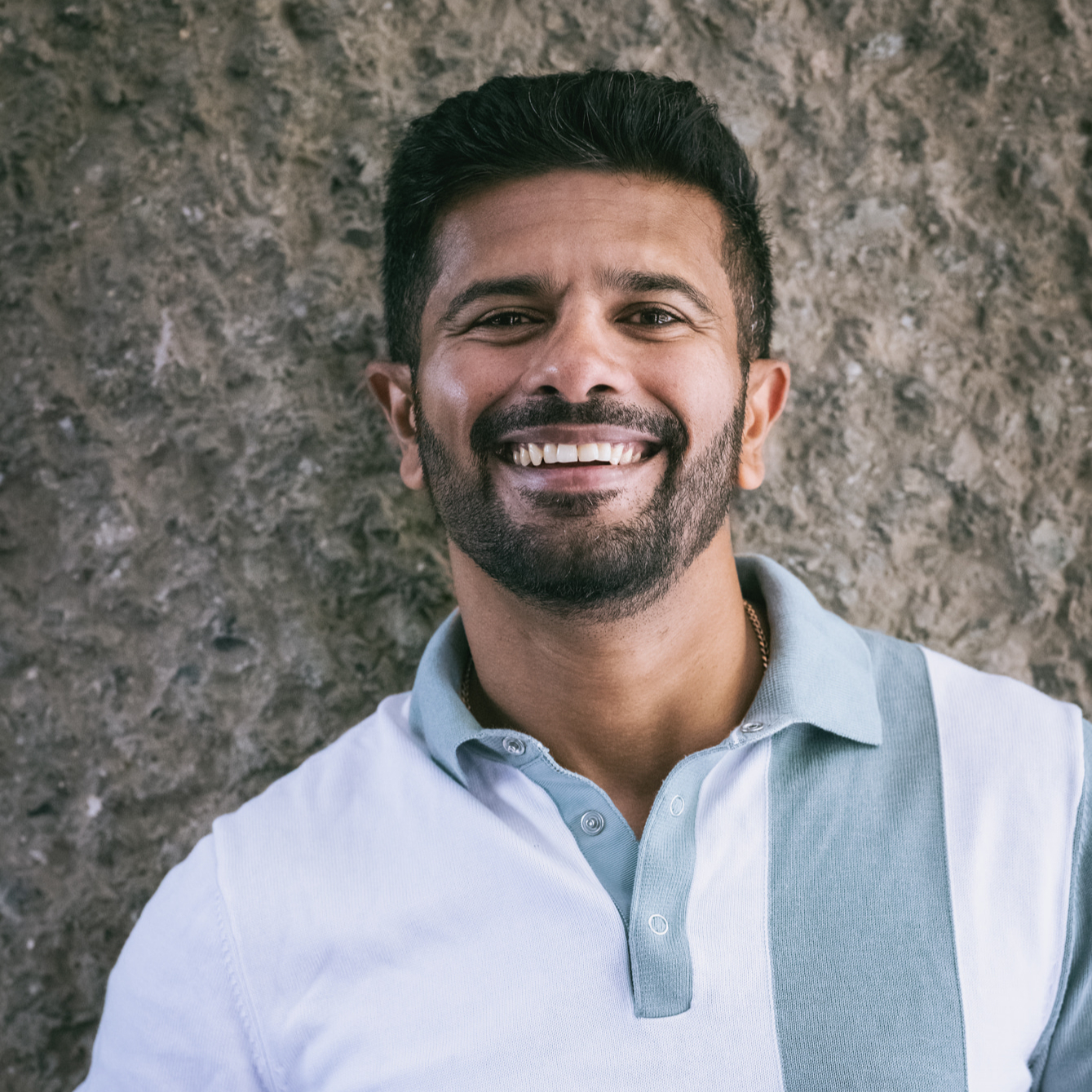
Dhiren Doshi-Smith shares how workplaces can champion ADHD inclusion.

I was 38 when I got my ADHD diagnosis. For years, I had been quietly navigating life like a tightrope walker: balancing deadlines, social expectations, and the relentless inner chatter that never seemed to stop. Finally, naming it felt like relief. But the world had other plans.
"Isn't everyone a little ADHD?" a well-meaning colleague asked. Just like that, the weight of my own experience was flattened into a shrug. It was casual, well-meant, and it landed hard. I was already second-guessing myself, wondering if my struggles were just an inability to cope as well as others. This comment pushed me further into that spiral.
Even with a diagnosis in hand, doing something with it proved nearly impossible. Transferring my treatment to my GP for ongoing care and prescriptions became a maze of delays, refusals, and a quiet implication that this wasn't really a priority. Not urgent. Not serious enough.
I share this not for sympathy. It’s a pattern I’ve seen and heard in both my personal network and professional experience, and one I've experienced first-hand: countless others are living it right now.
The Trend That Isn't
ADHD has become "trendy" in media narratives, reduced to overdiagnosis fears or memes about procrastination. But there's no real evidence of overdiagnosis. If anything, with support structures poorly funded and an increasingly dismissive culture around neurodiversity, there are likely significant numbers of undiagnosed people alongside those with diagnoses, all trying to cope silently.
Being misread. Misunderstood. Minimised.
For queer communities, where research shows ADHD prevalence is significantly higher. A 2023 study in the Journal of Attention Disorders found LGB teens are over five times more likely to meet ADHD criteria than their non-LGB peers. These pressures layer invisibly, creating exhaustion that compounds daily. This isn't abstract. It's happening in your workplace right now.
The Real Cost of "Everyone's a Little ADHD"
When we minimise ADHD, we're not just dismissing a diagnosis. We're dismissing the daily reality of people who spend enormous energy masking to appear "normal", who miss opportunities because systems aren't designed for how their brains work, who hear "just focus" or "try harder" when they're already running on empty, who watch their potential go unrealised because "coping" is mistaken for thriving.
This has real consequences. Research by Dr. Russell A. Barkley shows employees with ADHD are 30% more likely to have chronic employment issues, 60% more likely to be fired from a job, and three times more likely to quit a job impulsively. Adults with untreated ADHD lose an average of 22 days of productivity per year. These aren't just statistics. They represent lost innovation, reduced well-being, and talent that quietly burns out or leaves.
Collaboration Doesn't Happen in a Vacuum
Successful teams almost always contain a diverse range of people, including those with neurodiversities. The question isn't why you should adapt to support them; It's why wouldn’t you?
Recognising that we aren't all the same, and that some adaptation may be required to maximise potential, makes for a stronger, better, happier workforce. These adaptations are often simple, low-cost, or no-cost.
Teams succeed when everyone, regardless of neurotype, feels seen, heard, and empowered to contribute in ways that work for them. That doesn't require a complete HR overhaul. It requires attention, intention, and a willingness to adapt how we work together.
And here's the thing: it benefits everyone, not just neurodivergent employees.
What You Can Do
Start small. Pay attention to the language you use. Instead of saying "isn't everyone a little ADHD?" try "tell me more about what that's like for you" or simply "thank you for sharing that with me." These small shifts create space for authentic conversations rather than dismissal.
Educate yourself and your teams. People are often well-meaning but don't really understand, and would be mortified by the impact their words can have. Resources like ADHD UK (adhduk.co.uk) and ADHD Aware (adhdaware.org.uk) offer accessible, evidence-based information. Creating space for open discussion and genuine learning means fewer dismissive moments and more thoughtful, informed conversations.
If you're in a position to influence culture, whether as a team lead, manager, or colleague, take action. Connect with your Employee Resource Groups focused on neurodiversity or disability inclusion. Talk to HR about reviewing your benefits to ensure they cover ADHD assessments and support. Share resources with colleagues. If you're having a difficult conversation about someone's ADHD, approach it with curiosity rather than judgment. Ask "what support would help you work at your best?" rather than focusing on what isn't working.
Ready to Go Further?
If you want to move beyond awareness and actually embed neuroinclusive practices in your workplace, that's where structured support makes the difference.
My neuro-inclusivity training helps teams build understanding that goes beyond stereotypes to see the real experiences of neurodivergent colleagues. It creates practical strategies, actionable changes that don't require budget increases or policy overhauls. And it develops sustainable habits, culture shifts that last beyond a one-off workshop.
I work predominantly with organisations committed to supporting POC, queer, and neurodivergent communities, or those at the intersections of these identities. As an ADHD UK Ambassador and therapeutic counsellor specialising in these spaces, I bring lived experience alongside professional expertise.
Minimisation and under-support cost more than we often acknowledge: human potential, innovation, and wellbeing. By noticing, adapting, and committing to change, workplaces can shift from performative inclusion to meaningful collaboration.
And that shift can start today.
Want to bring neuro-inclusive training to your organisation? Get in touch to discuss how we can work together.

Dhiren Doshi-Smith (he/they)
Dhiren Doshi-Smith is a queer British-Indian counsellor, speaker, and model with ADHD. He runs his own practice, Oakpath Therapy. Dhiren is an ADHD UK Ambassador, and is a trainer and speaker specialising in neuro-inclusivity for diverse workplaces. He is passionate about making emotional education and mental health support more accessible, particularly within queer, neurodivergent, and POC communities
While you're here...
We Create Space is a global education platform and consultancy focused on workplace talent-development and community-building. Our human-centred approach creates space for people and organisations to thrive through leadership development, team learning experiences, data-backed belonging practices and bespoke content. Find out more here.
We also organise FREE community events throughout the year! We offer a variety of ways to get involved - both online and in person. This is a great way to network and learn more about others' experiences, through in-depth discussion on an array of topics. You can find out what events we have coming up here. New ones are added all the time, so make sure you sign up to our newsletter so you can stay up to date!


Comments